
Stir-frying is perhaps the most popular way to cook luffa gourd in Chinese and Southeast Asian cuisines. This quick, high-heat cooking method preserves the vegetable's tender texture and luffa's mild delicate flavor while adding layers of aromatics and complementary ingredients.
Whether you've just harvested your first using young green loofahs or picked some up at an Asian market, mastering stir fry techniques will give you confidence to create restaurant-quality dishes at home. The beauty of luffa stir fry lies in its simplicity - a few minutes of prep, less than 5 minutes of cooking, and you have a nutritious, delicious vegetable dish on the table.
In this complete luffa cooking guide, you'll learn everything from selecting the right luffa and preparing luffa for cooking, to five authentic stir fry recipes that showcase different flavor profiles and cooking techniques. Luffa can also serve as a great substitute for zucchini in many dishes. Let's dive into the art of wok cooking with this versatile Asian vegetable.
Essential Tools for Stir Frying
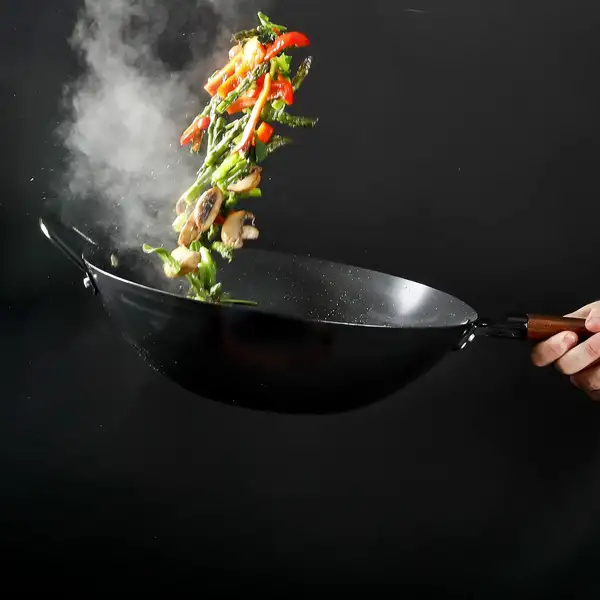
Babish Carbon Steel Flat Bottom Wok (14-Inch)
Restaurant-quality wok for authentic luffa stir-fry - works on all stovetops including induction
Check Price on AmazonAs an Amazon Associate, we earn from qualifying purchases.
How to Stir Fry Luffa Gourd
Before jumping into specific recipes, understanding the fundamental stir fry technique ensures success every time you cook luffa. Unlike Western sautéing, Chinese stir-frying relies on extremely high heat and constant motion.
Selecting the Right Luffa
Not all luffa is suitable for stir-frying. You want young, tender gourds that haven't developed tough fibers:
- Ideal size: 4-8 inches long, 1-2 inches in diameter
- Color: Bright green with no yellowing or brown spots
- Texture: Firm but yields slightly to gentle pressure (like a cucumber)
- Skin: Smooth or slightly ridged, not deeply furrowed
- Weight: Feels heavy for its size (indicates moisture content)
If you're growing your own luffa, harvest when young - typically 50-60 days after flowering. Once luffa starts to mature, the flesh becomes too fibrous for eating.
Preparing Luffa for Stir Frying
Proper preparation is crucial for achieving the right texture:
- Rinse thoroughly: Wash under cold water to remove any dirt or residue
- Trim ends: Cut off about 1/4 inch from both ends
- Peel if needed: Young luffa (under 6 inches) usually doesn't need peeling. Larger ones may have tough ridges - use a vegetable peeler to remove just the raised ridges, leaving the green skin between
- Cut strategically: Slice into 1/2-inch thick rounds, half-moons, or wedges. Angled cuts create more surface area for browning
- Pat dry: Use paper towels to remove excess moisture - this prevents steaming and ensures proper stir-frying
- Uniform pieces cook evenly in the same time
- 1/2-inch thickness allows quick cooking without burning
- Angled cuts expose more surface area to high heat
- Smaller pieces mean more edges for caramelization and flavor
The Stir Fry Process: Step-by-Step
Traditional Chinese stir-frying follows a precise sequence that ensures perfectly cooked vegetables:
- Heat the wok: Place empty wok over high heat for 2-3 minutes until very hot (a drop of water should evaporate instantly)
- Add oil: Swirl 2-3 tablespoons of high smoke-point oil (peanut, vegetable, or avocado) around the wok
- Aromatics first: Add minced garlic, ginger, or scallion whites and stir constantly for 10-15 seconds until fragrant
- Add proteins (if using): Cook shrimp, chicken, or beaten eggs until just done, then remove and set aside
- Stir fry luffa: Add prepared luffa and toss continuously for 2-3 minutes
- Add liquid: Pour in sauce or broth, toss to coat, and cook for another 1-2 minutes
- Return proteins: Add back cooked proteins, toss everything together for 30 seconds
- Finish and serve: Add finishing touches (sesame oil, scallion greens) and serve immediately

Best Luffa Stir Fry Recipe (Basic)
This is the foundational recipe that every home cook should master. It's simple, quick, and lets the natural flavor of luffa shine through. Once you've perfected this basic version, the variations below become easy to execute.
Ingredients:
- 2 medium luffa gourds (about 12 oz total), prepared and sliced
- 3 cloves garlic, minced
- 2 tablespoons vegetable or peanut oil
- 1/4 cup chicken or vegetable broth
- 1 tablespoon light soy sauce
- 1 teaspoon sugar (optional, enhances natural sweetness)
- 1/2 teaspoon salt
- 1/4 teaspoon white pepper
- 1 teaspoon sesame oil (for finishing)
- Chopped scallions for garnish
Instructions:
- Heat wok over high heat until smoking, about 2-3 minutes
- Add oil and swirl to coat. Add garlic and stir-fry for 10 seconds until aromatic
- Add luffa slices immediately and toss continuously for 2 minutes
- Pour in broth, soy sauce, sugar, salt, and white pepper. Toss to combine
- Continue stir-frying for another 2-3 minutes until luffa is tender-crisp and liquid is mostly absorbed
- Remove from heat, drizzle with sesame oil, and toss once more
- Transfer to serving plate and garnish with chopped scallions
10 minutes total | Serves 2-3 | 450°F wok temp
- Don't crowd the wok - cook in two batches if needed to maintain high heat
- Keep ingredients moving constantly to prevent burning and ensure even cooking
- If luffa starts releasing too much water, increase heat slightly and reduce liquid additions
- Taste and adjust seasoning before adding sesame oil (it's a finishing flavor, not for cooking)
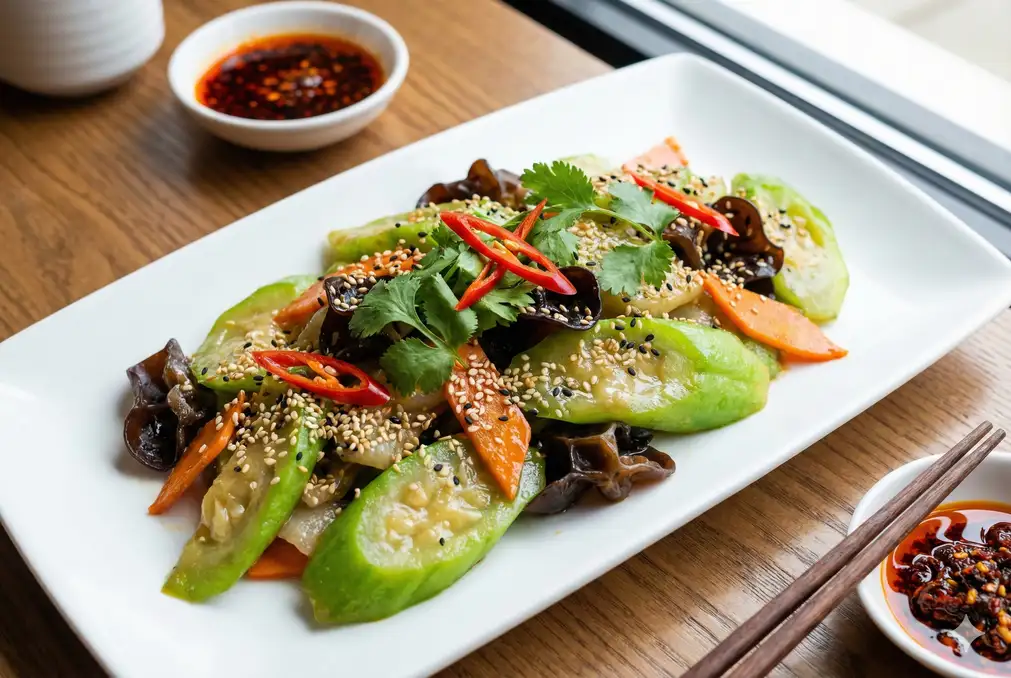
Luffa with Garlic Stir Fry
This recipe amplifies garlic flavor for those who love bold, aromatic dishes. Popular in Cantonese cuisine, the technique involves two additions of garlic - once for infusing the oil, and again at the end for fresh garlic punch.
Ingredients:
- 2 medium luffa gourds, prepared and sliced
- 6-8 cloves garlic (divided: 4 minced, 2-3 thinly sliced)
- 1 tablespoon ginger, minced
- 3 tablespoons peanut oil
- 2 tablespoons oyster sauce
- 1 tablespoon Shaoxing wine (or dry sherry)
- 1/2 teaspoon sugar
- 1/4 cup water or broth
- Salt to taste
- 1 teaspoon cornstarch mixed with 1 tablespoon water (optional, for glossy finish)
Instructions:
- Heat wok over high heat, add oil and swirl
- Add minced garlic and ginger, stir-fry for 15 seconds until fragrant
- Add luffa and toss vigorously for 2 minutes
- Add Shaoxing wine around the edge of the wok (it will sizzle and create aromatic steam)
- Stir in oyster sauce, sugar, and water. Cook for 2-3 minutes, tossing constantly
- Add sliced garlic and toss for 30 seconds (this adds fresh garlic bite)
- If using, drizzle cornstarch slurry around the wok and toss until sauce thickens slightly
- Taste and adjust seasoning with salt if needed. Serve immediately
12 minutes total | Serves 3-4 | High heat throughout
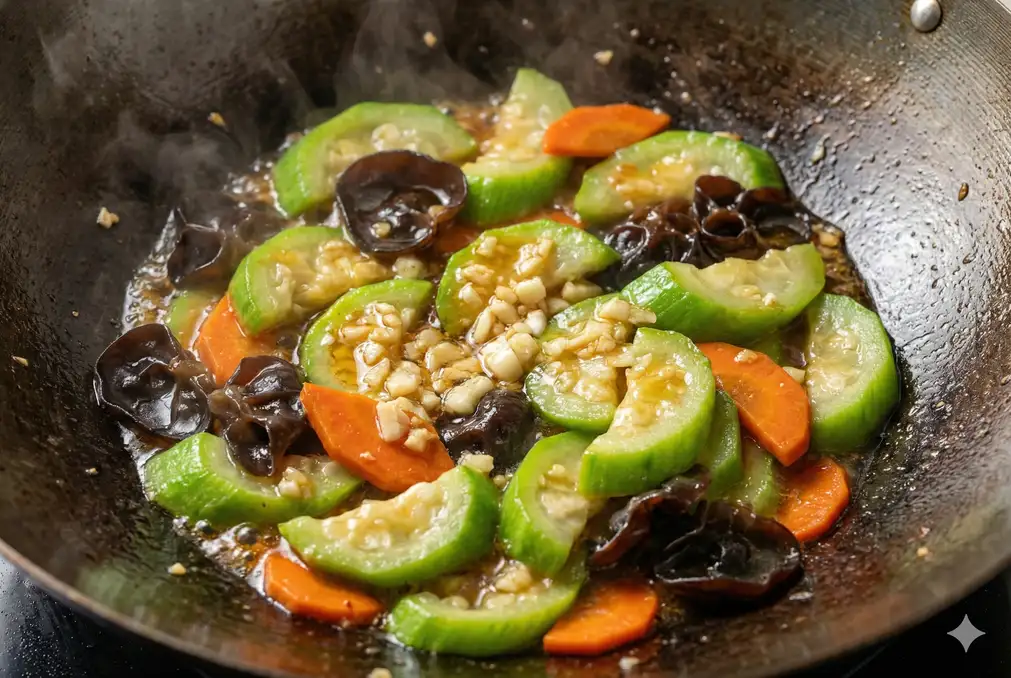
Luffa and Shrimp Stir Fry
This is the classic combination in Chinese cuisine - the sweetness of shrimp perfectly complements luffa's mild flavor. It's a restaurant favorite that's surprisingly easy to recreate at home.
For the shrimp marinade:
- 8 oz medium shrimp, peeled and deveined
- 1 tablespoon Shaoxing wine
- 1/2 teaspoon cornstarch
- Pinch of white pepper
- 1/4 teaspoon salt
For the stir fry:
- 2 medium luffa gourds, prepared and sliced
- 3 cloves garlic, minced
- 1-inch piece ginger, julienned
- 2 tablespoons vegetable oil (divided)
- 2 tablespoons chicken broth
- 1 tablespoon light soy sauce
- 1 teaspoon fish sauce (optional, adds umami)
- 1/2 teaspoon sugar
- Salt and white pepper to taste
- 1 teaspoon sesame oil
- Fresh cilantro for garnish
Instructions:
- Combine shrimp with marinade ingredients in a bowl. Let sit for 10 minutes while preparing other ingredients
- Heat wok over high heat. Add 1 tablespoon oil and swirl
- Add shrimp in a single layer. Cook for 1 minute without moving, then flip and cook another 30 seconds until just pink. Remove and set aside
- Add remaining 1 tablespoon oil to wok. Add garlic and ginger, stir-fry for 10 seconds
- Add luffa and toss constantly for 2 minutes
- Add broth, soy sauce, fish sauce, and sugar. Continue cooking for 2-3 minutes until luffa is tender
- Return shrimp to wok, toss everything together for 30-60 seconds until shrimp are heated through
- Season with salt and white pepper to taste. Drizzle with sesame oil
- Transfer to serving plate and garnish with fresh cilantro
20 minutes total | Serves 3-4 | High heat, quick cooking
- Shrimp overcook quickly and become rubbery if left in the wok too long
- Cooking shrimp first prevents them from releasing water into the vegetables
- You can control exact doneness without worrying about undercooked vegetables
- The seared surface on shrimp adds extra flavor to the final dish
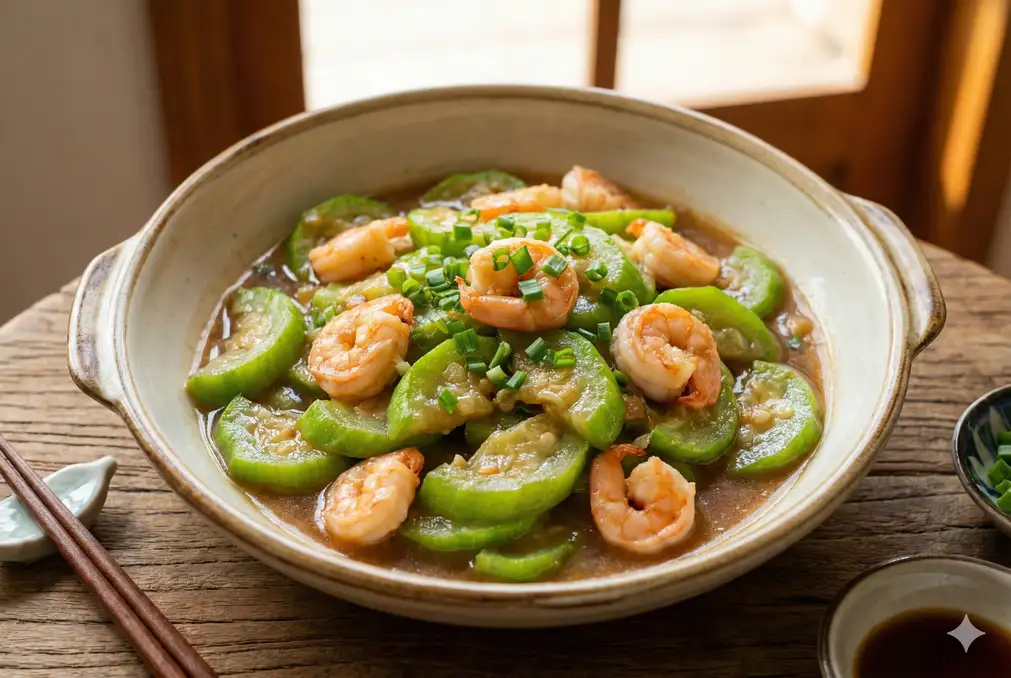
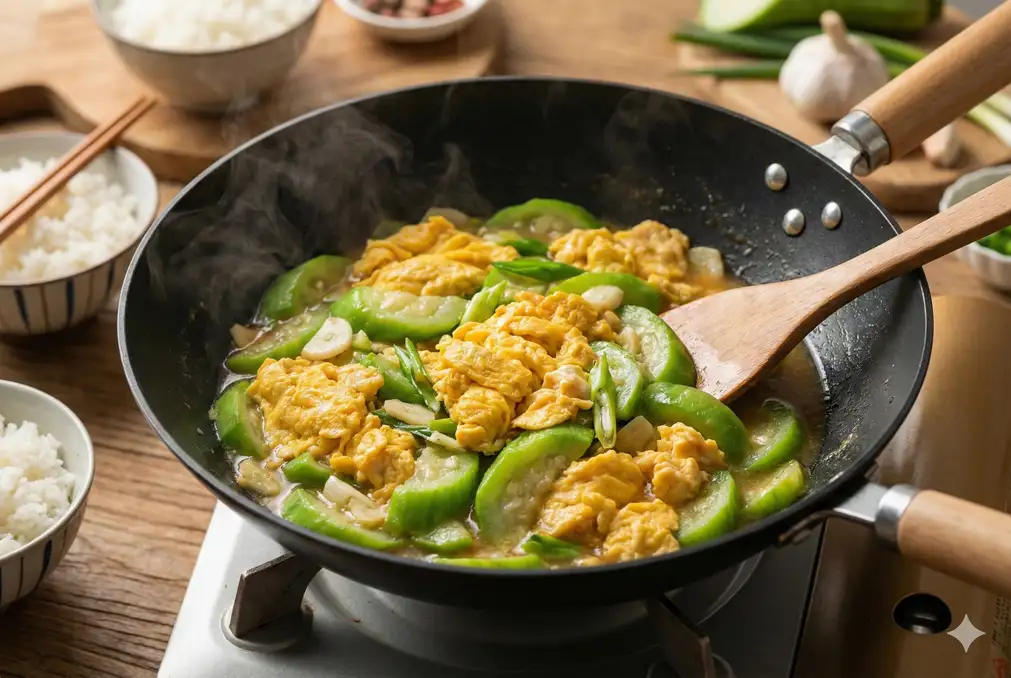
Luffa with Egg Stir Fry
This vegetarian-friendly recipe is a staple in Chinese home cooking and represents classic egg and luffa combinations. The silky scrambled eggs coat the luffa, creating a comforting, protein-rich dish that's perfect with steamed rice.
Ingredients:
- 2 medium luffa gourds, prepared and sliced
- 3 large eggs
- 3 cloves garlic, minced
- 2 scallions, white and green parts separated, chopped
- 3 tablespoons vegetable oil (divided)
- 2 tablespoons water or broth
- 1 tablespoon light soy sauce
- 1/2 teaspoon salt (divided)
- 1/4 teaspoon white pepper
- 1 teaspoon sesame oil
Instructions:
- Beat eggs with 1/4 teaspoon salt and white pepper. Set aside
- Heat wok over high heat. Add 1.5 tablespoons oil and swirl
- Pour in beaten eggs. Let sit for 5 seconds, then gently scramble into large, soft curds (don't overcook - eggs should still be slightly wet). Remove and set aside
- Wipe wok clean, return to high heat. Add remaining 1.5 tablespoons oil
- Add garlic and scallion whites, stir-fry for 10 seconds
- Add luffa and toss for 2 minutes
- Add water, soy sauce, and remaining salt. Cook for 2-3 minutes until luffa is tender
- Return scrambled eggs to wok, breaking into smaller pieces. Toss gently to combine without over-mixing
- Cook for 30 seconds until eggs are just heated through
- Drizzle with sesame oil, garnish with scallion greens, and serve immediately
15 minutes total | Serves 2-3 | Vegetarian
Tips for Perfect Stir Fried Loofah
After testing dozens of batches and learning from experienced Chinese home cooks, these tips will elevate your luffa stir fry from good to restaurant-quality:
Temperature Control
- Maintain high heat throughout: Don't lower the heat when adding ingredients. If your stove isn't powerful enough, cook in smaller batches
- Preheat thoroughly: A properly heated wok (2-3 minutes on high) creates the signature "wok hei" flavor
- Use a wok if possible: The curved shape concentrates heat and makes tossing easier. A large skillet works but requires more attention
- Oil temperature matters: Oil should shimmer and flow like water before adding aromatics
Ingredient Preparation
- Mise en place is crucial: Have everything prepped and within arm's reach before heating the wok. Stir frying happens too fast to prep during cooking
- Dry ingredients thoroughly: Excess water causes steaming instead of frying, resulting in mushy luffa
- Uniform cutting ensures even cooking: Pieces should be similar size so everything finishes simultaneously
- Don't skip the salt: Luffa's mild flavor needs proper seasoning to shine
Cooking Techniques
- Keep ingredients moving: Constant tossing prevents burning and ensures even cooking. Practice the wok toss or use a spatula to continuously stir
- Add liquids strategically: Pour sauces and broths along the edge of the wok, not directly on ingredients. This creates aromatic steam and prevents temperature drops
- Don't overcrowd: Ingredients should be in a single layer with some space. Overcrowding drops temperature and causes steaming
- Taste as you go: Quick taste-tests let you adjust seasoning before plating
- For protein additions (shrimp, chicken), coat with cornstarch and egg white before cooking
- This creates a protective coating that keeps proteins tender and prevents overcooking
- Blanch velveted proteins in oil or boiling water for 30 seconds before stir-frying
- The result is restaurant-quality tender meat that stays juicy in high-heat cooking
Common Stir Fry Mistakes to Avoid
Even experienced cooks can fall into these traps when stir-frying luffa. Here's what to watch out for:
Why it's bad: Mature luffa develops tough, fibrous flesh that remains chewy no matter how long you cook it. The fibers also absorb excess moisture, making the dish watery.
Solution: Only use young luffa (4-8 inches long). If you can easily pierce the skin with your fingernail, it's young enough.
Why it's bad: Water causes splattering and drops the wok temperature dramatically. Instead of frying, you end up steaming, which makes luffa mushy and waterlogged.
Solution: After washing and cutting, pat luffa completely dry with paper towels or a clean kitchen cloth. Let air dry for 5 minutes if needed.
Why it's bad: Crowding lowers the cooking temperature, causes uneven cooking, and traps steam. You'll get mushy, pale vegetables instead of crispy, caramelized ones.
Solution: Cook in batches if needed. Luffa should be in mostly a single layer with some overlap. For home stoves, 12-14 oz of luffa is the maximum per batch in a 14-inch wok.
Why it's bad: Overcooked luffa becomes mushy, releases excessive water, and loses its pleasant texture. The dish becomes soupy and unappetizing.
Solution: Total cooking time should be 4-6 minutes maximum. Luffa should still have slight resistance when bitten - tender but not soft. Remove from heat when slightly undercooked; residual heat will finish it.
- Luffa is browning too fast: Your wok is probably too hot OR overcrowded. Add a splash of water to cool slightly
- Luffa is steaming, not frying: Heat is too low OR too much moisture. Increase heat and ensure luffa is dry
- Sauce is burning: Add sauce later in the process, and include some liquid (broth/water) with it
- Everything sticks to wok: Wok wasn't hot enough before adding oil, or not enough oil was used
Frequently Asked Questions
Stir-frying luffa takes only 3-5 minutes over high heat. The key is to cook it quickly to maintain its tender texture and prevent it from becoming mushy. Overcooking can make luffa release too much water and lose its pleasant crunch. Total prep-to-plate time is typically 10-12 minutes including ingredient preparation.
Young, tender luffa (under 6 inches) typically doesn't need peeling - just wash well and trim the ends. For larger luffa (6-10 inches), peel away the ridged skin if it feels tough. The skin can become bitter and fibrous as the gourd matures. When in doubt, peel just the raised ridges and leave the green skin between them.
Heat your wok to 400-450°F (high heat) before adding oil and ingredients. A properly heated wok creates the "wok hei" (breath of the wok) - that characteristic smoky flavor in Chinese stir fries. Test by adding a drop of water; it should evaporate immediately and sizzle vigorously. If using an electric stove, preheat for 3-4 minutes on the highest setting.
Luffa pairs beautifully with shrimp (most traditional), eggs, chicken, and tofu. Shrimp is the classic pairing in Chinese cuisine, as its sweet flavor complements luffa's mild taste. Cook proteins first, set aside, then add back at the end to prevent overcooking. For vegetarian options, scrambled eggs or firm tofu work wonderfully. Fish and scallops also pair well for seafood lovers.
Watery stir fry usually results from one of three issues: (1) not drying luffa properly after washing, (2) cooking temperature too low causing steaming instead of frying, or (3) overcooking, which causes luffa to release its natural moisture. To fix: pat luffa completely dry before cooking, maintain high heat throughout, and limit total cooking time to 4-5 minutes maximum. Adding a small amount of cornstarch slurry at the end can also help thicken excess liquid.
Yes, a large skillet (12-14 inches) works as a wok substitute, though results differ slightly. Use a heavy-bottomed stainless steel or cast iron pan that retains heat well. The main difference is less "wok hei" smoky flavor and more difficult tossing. To compensate: use slightly higher heat, cook in smaller batches, and stir constantly with a spatula instead of tossing. Non-stick pans work but can't achieve the same high temperatures safely.
Use oils with high smoke points: peanut oil (450°F smoke point) is traditional and adds subtle nutty flavor, vegetable/canola oil (400-450°F) is neutral and affordable, or avocado oil (520°F) for the highest heat tolerance. Avoid olive oil, butter, or sesame oil for the main cooking - these have low smoke points and burn at stir-fry temperatures. Save sesame oil as a finishing drizzle for flavor.
While fresh luffa is ideal, you can stir fry frozen luffa if properly prepared. Thaw completely and pat dry to remove excess moisture before cooking. Increase cooking time by 1-2 minutes, but be careful not to overcook as frozen luffa can become waterlogged more easily. The texture won't be quite as crisp as fresh, but it's still delicious.