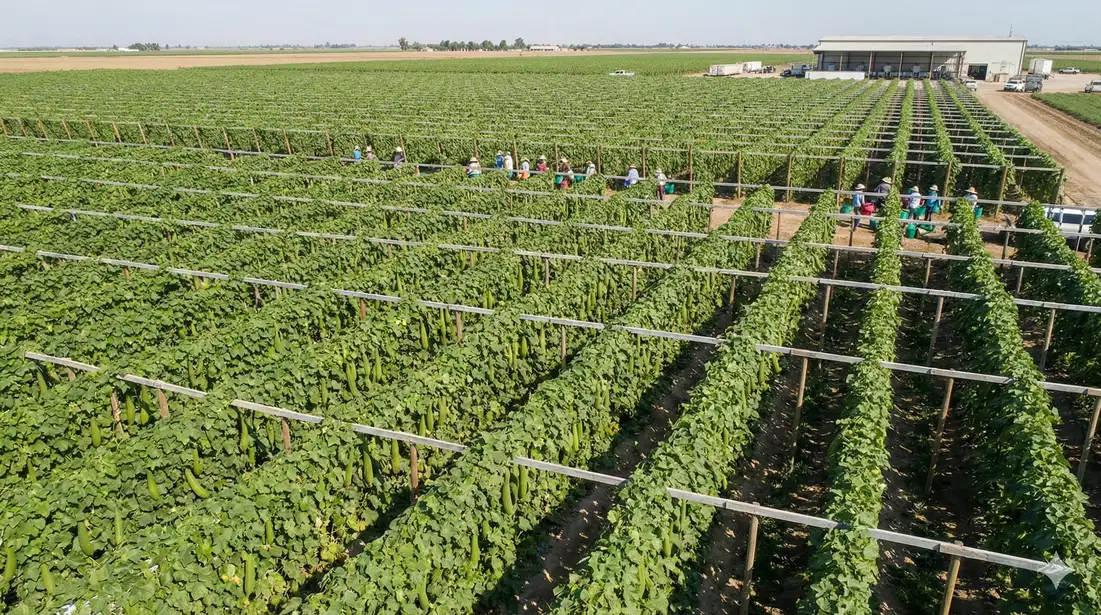
Growing loofah commercially is an increasingly attractive specialty crop opportunity. With rising consumer demand for natural, eco-friendly products, loofah sponges command premium prices at farmers markets, craft fairs, and through wholesale channels. Before diving into commercial production, it's essential to master the basics with our comprehensive complete growing guide.
This guide covers everything you need to know about scaling up from hobby growing to a profitable loofah farming operation.
Commercial Growing Essentials
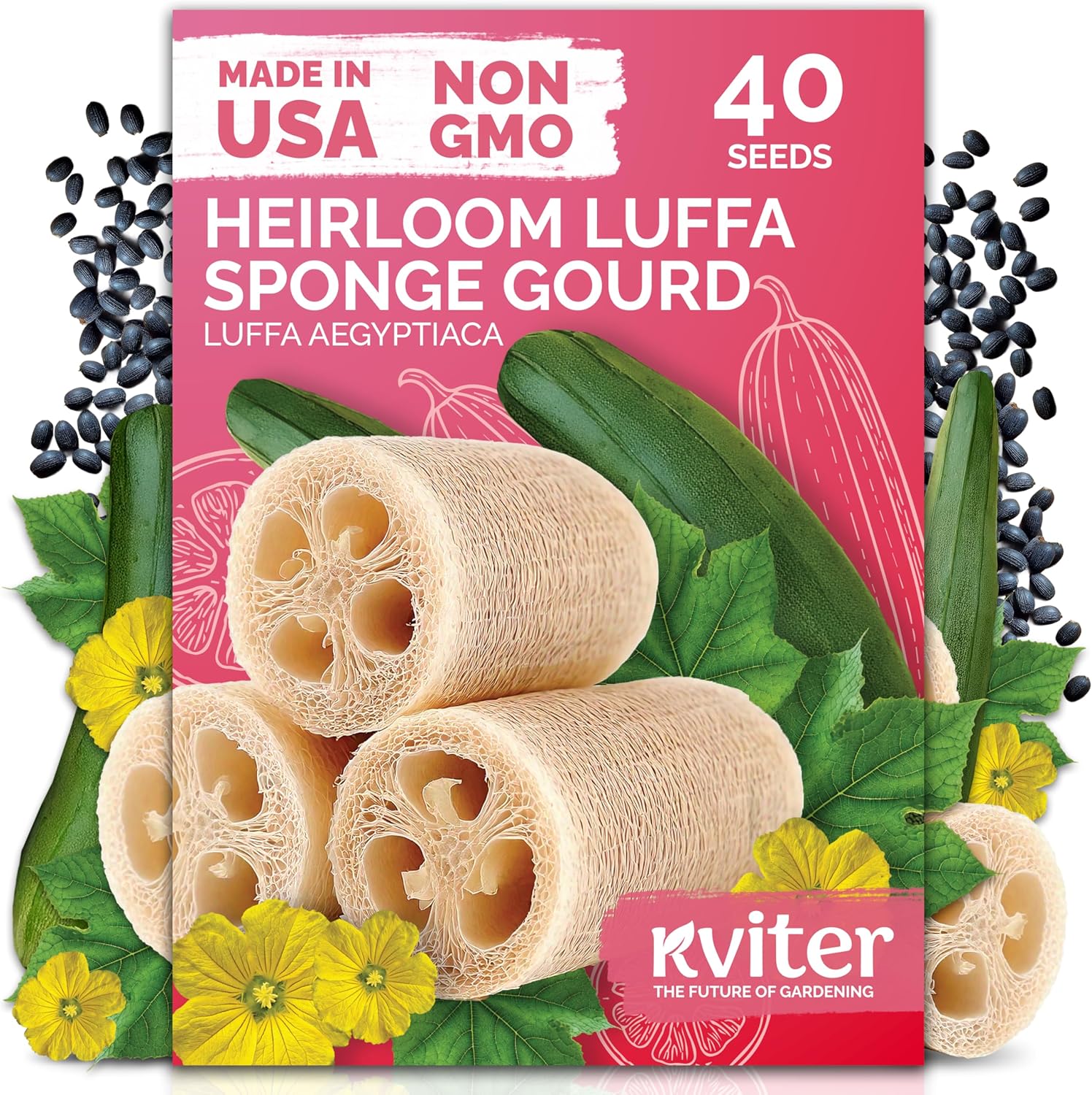
KVITER Heirloom Luffa Seeds (40 Count)
Fast-sprouting non-GMO seeds with 90%+ germination - grow your own natural sponges in one season
Buy on Amazon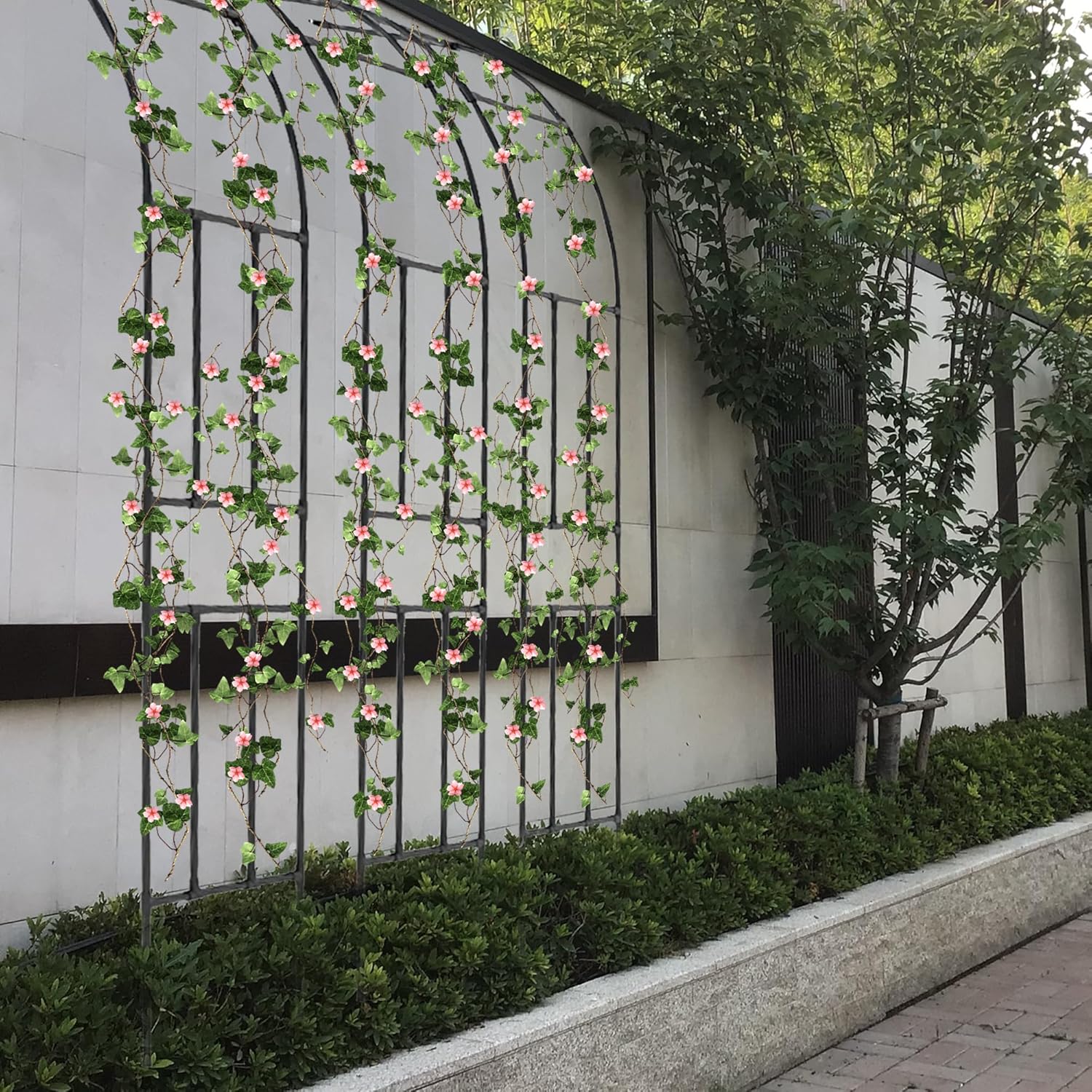
Twira Heavy-Duty Metal Garden Arch Trellis (7.9FT)
Rust-proof galvanized steel supports 100+ lbs of loofah vines - easy assembly with ground stakes
Buy on AmazonAs an Amazon Associate, we earn from qualifying purchases.
Is Commercial Loofah Growing Viable?
Before investing time and money, honestly assess whether commercial loofah growing makes sense for your situation:
Ideal Conditions for Commercial Growing
Commercial loofah growing works best in USDA zones 7-11 where you have at least 150 frost-free days. You'll need at least a quarter acre of land with full sun and good drainage. A reliable irrigation source is essential since loofah is a thirsty crop.
Processing loofah is labor-intensive, so plan for help during harvest season. Most importantly, you need identified buyers willing to pay fair prices before you scale up—growing thousands of sponges without a market is a recipe for frustration.
Challenges to Consider
The long growing season means you simply can't grow loofah commercially in short-season climates without season extension infrastructure. Trellis systems require significant upfront investment, and each sponge requires hand-processing which limits how fast you can scale.
Market education is an ongoing challenge since many consumers don't know loofah comes from a plant. And weather risk is real—one early frost can devastate a crop that isn't ready for harvest.
We strongly recommend starting with 100-200 plants your first commercial year. Learn the crop, develop processing efficiency, and test your markets before scaling up.
Choosing Your Scale
Yield: 500-2,000 sponges | Revenue: $2,500-10,000
Best for testing the market. Manageable for one person with low startup costs ($500-2,000). Sell direct at farmers markets.
Yield: 2,000-5,000 sponges | Revenue: $10,000-25,000
Serious side business. Requires 1-2 people during harvest. Moderate startup ($2,000-5,000). Mix of direct and wholesale.
Yield: 5,000-15,000+ sponges | Revenue: $25,000-75,000+
Primary farm income. Requires seasonal labor and significant infrastructure ($5,000-15,000+). Wholesale accounts essential.
Economics & Profitability
Let's look at realistic numbers for a small commercial operation (300 plants, ~1/4 acre):
Sample First-Year Budget (300 plants)
| Category | Item | Amount |
|---|---|---|
| Startup (Year 1) | Trellis materials | -$1,500 |
| Irrigation setup | -$500 | |
| Processing equipment | -$300 | |
| Annual Costs | Seeds (300+extras) | -$50 |
| Soil & fertilizer | -$200 | |
| Water | -$150 | |
| Processing supplies | -$200 | |
| Market fees & transport | -$300 | |
| Revenue | 3,000 sponges @ $5 avg | +$15,000 |
| Seeds sold (500 packets) | +$2,500 | |
| Year 1 Net Profit | ~$14,300 | |
Startup costs don't repeat. Year 2 profit on the same operation could exceed $16,000 since trellis and equipment are already paid for.
Pricing Strategy
| Sales Channel | Price Range | Notes |
|---|---|---|
| Farmers Market | $6-12 each | Best margins, requires your time |
| Craft Fairs | $8-15 each | Value-add with packaging |
| Online (Etsy) | $5-10 + shipping | Broader reach, shipping hassle |
| Wholesale to shops | $3-5 each | Volume sales, lower per-unit |
| Wholesale to makers | $2-4 each | Soap makers, craft suppliers |
| Bulk/unprocessed | $1-2 each | Sell labor savings |
Finding Your Market
Successful commercial growers typically sell through multiple channels:
Direct sales with best margins. $6-12/sponge.
Growing market for plastic-free. $3-5 wholesale.
Use loofah slices in handmade soap. $2-4 wholesale.
Eco-conscious hospitality buyers. $2-5 wholesale.
Value-Added Products
Smart growers increase their per-sponge revenue by offering value-added products. Pre-cut loofah slices sell to soap makers for $0.50-1 each in high volume. Partner with a local soap maker or learn to make loofah soap bars yourself for even higher margins.
Gift sets combining loofah with handmade soap and accessories command premium prices at craft fairs. Don't overlook selling saved seeds—quality loofah seed packets fetch $5-8 each and weigh almost nothing to ship. Some growers even teach workshops on loofah growing and processing, adding an educational income stream.
Infrastructure Requirements
Trellis Systems
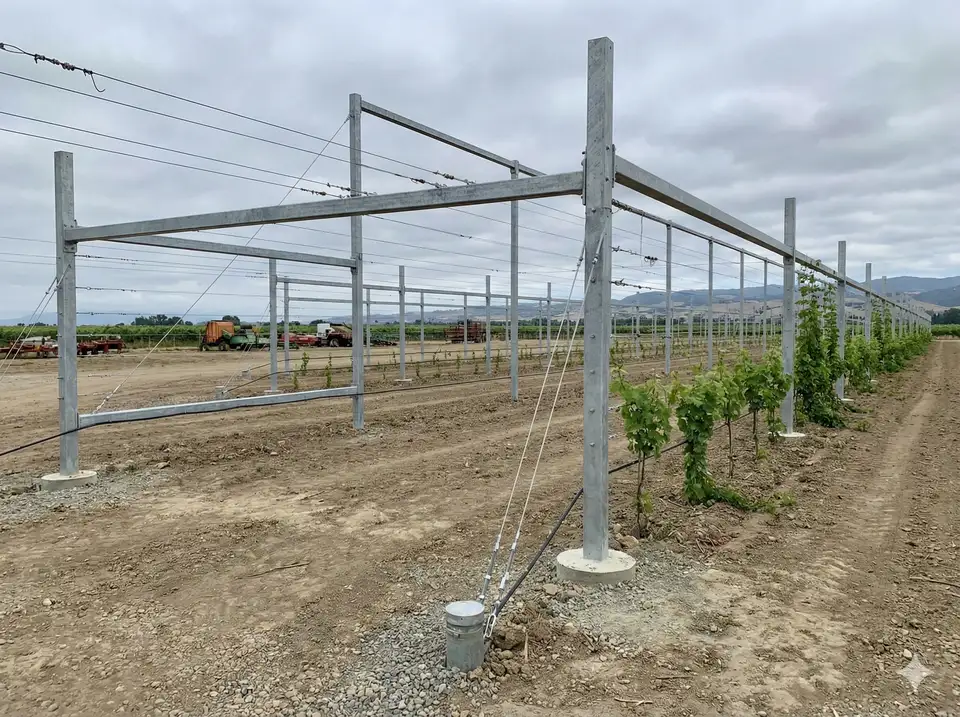
Commercial loofah requires sturdy trellis infrastructure. The right support system is critical for maximizing yield and ease of harvest. For detailed designs and options, see our complete trellis ideas guide.
| Trellis Type | Cost/100ft | Lifespan | Best For |
|---|---|---|---|
| T-post & wire | $150-250 | 10-20 years | Most commercial operations |
| Cattle panel | $200-300 | 15-25 years | Smaller operations |
| Wood post & wire | $100-200 | 5-10 years | Budget builds |
| High tunnel | $500-1,000 | 10-20 years | Season extension |
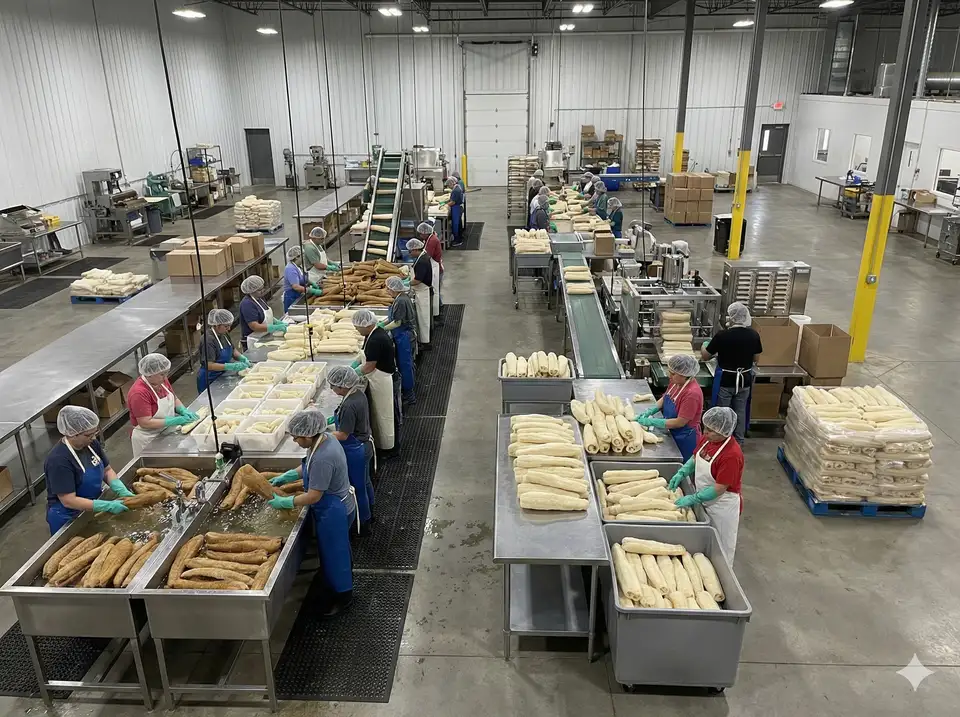
Processing Area
Set up a dedicated processing space with:
- Water access (hose or outdoor sink)
- Large soaking tubs (50+ gallon)
- Drainage or outdoor location
- Drying racks with good airflow
- Storage for finished product
- Covered area for rainy days
See our batch processing guide for detailed setup instructions. Efficient processing is critical—the workflow from harvest timing through initial processing can make or break your operation.
Commercial Growing Tips
Maximize Yield Per Plant
Start seeds indoors 6-8 weeks before your last frost date to give plants the longest possible growing season. Loofah is a hungry crop, so don't skimp on fertility—heavy feeders need heavy feeding. Space plants 6-8 feet apart on your trellis to give vines room to spread without competing.
Consistent water through drip irrigation prevents stress that reduces fruit production. Train vines onto your trellis early before they become tangled on the ground. Scout weekly for cucumber beetles and squash bugs, addressing problems before they spread.
Quality Control
Grade your sponges into A, B, and C quality tiers and direct each grade to appropriate markets—premium retail for A-grade, wholesale for B-grade, and crafters or compost for C-grade. Develop standard processing procedures so your product is uniform batch after batch.
Ensure complete drying before storage to prevent mold—this is crucial for maintaining quality. Store finished inventory in a clean, dry location protected from pests and moisture.
Commercial growers should save seeds from their best-performing plants each year. This improves your stock over time and provides a valuable secondary product to sell.
Labor Considerations
Labor is the biggest variable in commercial loofah profitability:
| Task | Time/100 plants | When |
|---|---|---|
| Seed starting | 2-3 hours | Late winter |
| Transplanting | 4-6 hours | After last frost |
| Training/maintenance | 1-2 hours/week | Growing season |
| Harvesting | 3-4 hours | Fall |
| Processing | 15-25 hours | Post-harvest |
| Sales/marketing | Varies | Year-round |
Processing is the bottleneck. At scale, you'll need strategies to manage this. Hiring seasonal help for harvest and processing is the most straightforward solution. Some growers sell a portion of their crop unprocessed to craft makers who prefer to do their own finishing work.
Partnering with an existing processing operation can free up your time for growing and marketing. And investing in efficiency improvements—better workspace layout, batch processing techniques, quality tools—pays dividends every harvest season.

Getting Started Checklist
Year Before Launch
- Grow a trial crop (25-50 plants) to learn the process
- Test local market response at farmers market
- Research trellis options and costs
- Identify water source and irrigation approach
- Connect with potential wholesale buyers
- Save seeds from best performers
Pre-Season (Winter)
- Order seeds early (quality sources sell out)
- Install trellis infrastructure
- Set up irrigation
- Prepare soil with amendments
- Plan processing workspace
- Begin marketing to potential buyers
Growing Season
- Start seeds indoors 6-8 weeks before last frost
- Transplant after soil warms
- Maintain consistent irrigation and fertility
- Scout for pests weekly
- Continue buyer outreach
Join online communities and forums for specialty crop growers. Learning from others' experiences accelerates your success and helps you avoid common mistakes.