Loofah plants, like all cucurbits, are susceptible to various diseases that can devastate your crop if not identified and addressed quickly. The good news is that most diseases can be prevented with proper cultural practices, and many can be successfully treated when caught early.
Inspect your loofah plants daily during the growing season. Most diseases spread rapidly in warm, humid conditions typical of loofah growing zones. Catching symptoms within the first 24-48 hours dramatically improves treatment success rates.
Prevent Disease with Healthy Plants
KVITER Heirloom Luffa Seeds (40 Count)
Fast-sprouting non-GMO seeds with 90%+ germination - grow your own natural sponges in one season
Check Price on Amazon
Twira Heavy-Duty Metal Garden Arch Trellis (7.9FT)
Rust-proof galvanized steel supports 100+ lbs of loofah vines - easy assembly with ground stakes
Check Price on AmazonAs an Amazon Associate, we earn from qualifying purchases.
Fungal Diseases
Fungal diseases are the most common problems affecting loofah plants. They thrive in humid conditions and can spread rapidly through spores carried by wind and water.
Powdery Mildew
Fungal Disease (Erysiphe cichoracearum)
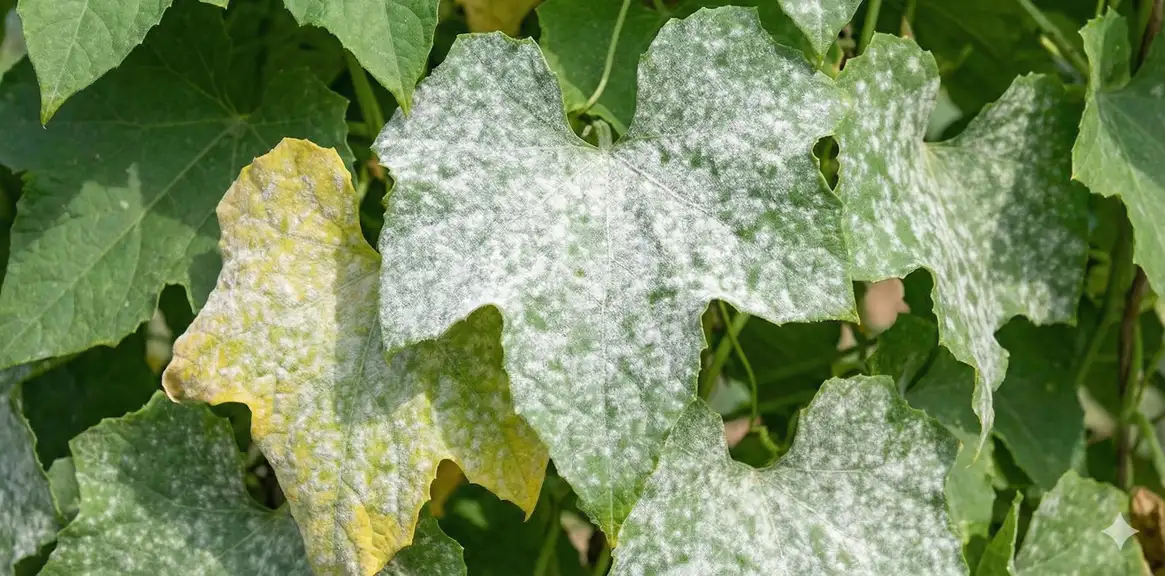
Powdery mildew is perhaps the most common disease affecting loofah and other cucurbits. It appears as small, circular white powdery spots on upper leaf surfaces in the early stages. As it progresses, the white powder spreads to cover entire leaves and stems, with yellowing edges developing. In severe cases, leaves become distorted, turn brown, and die, significantly reducing fruit production.
This disease thrives in warm days (68-86°F) with cool nights, high humidity but dry leaf surfaces, crowded plants with poor air circulation, and heavy nitrogen fertilization.
Organic options: Neem oil spray (every 7-14 days), baking soda solution (1 tbsp/gallon), milk spray (40% milk, 60% water), or sulfur-based fungicides.
Conventional options: Chlorothalonil, myclobutanil, or trifloxystrobin fungicides.
Downy Mildew
Oomycete Disease (Pseudoperonospora cubensis)
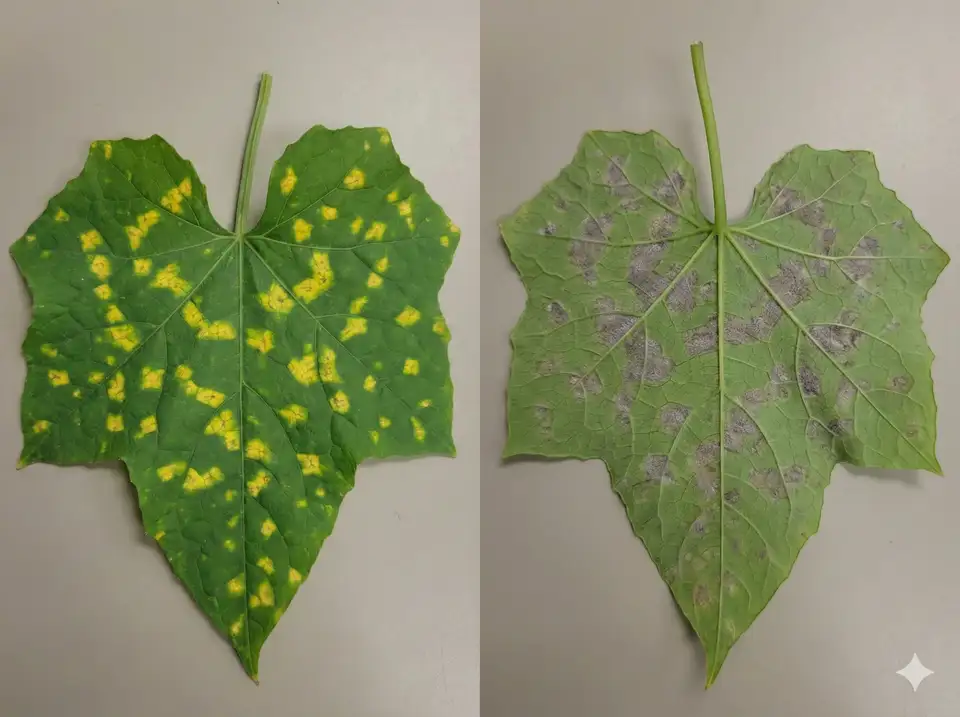
Downy mildew presents as angular yellow spots on upper leaf surfaces, bounded by leaf veins. On the undersides of leaves, you'll notice gray to purple fuzzy growth, especially visible in the morning. The spots enlarge and merge, and leaves turn brown and crispy. Severe cases cause rapid defoliation, and plants may die within days.
This disease favors cool, wet conditions (59-68°F optimal), extended leaf wetness (6+ hours), and heavy dew, fog, or overhead irrigation.
Organic options: Copper-based fungicides (preventive), Bacillus subtilis products, and immediate removal of infected leaves.
Conventional options: Mancozeb, metalaxyl/mefenoxam, or phosphorous acid treatments.
Root Rot / Crown Rot
Fungal Disease (Pythium, Phytophthora, Fusarium spp.)
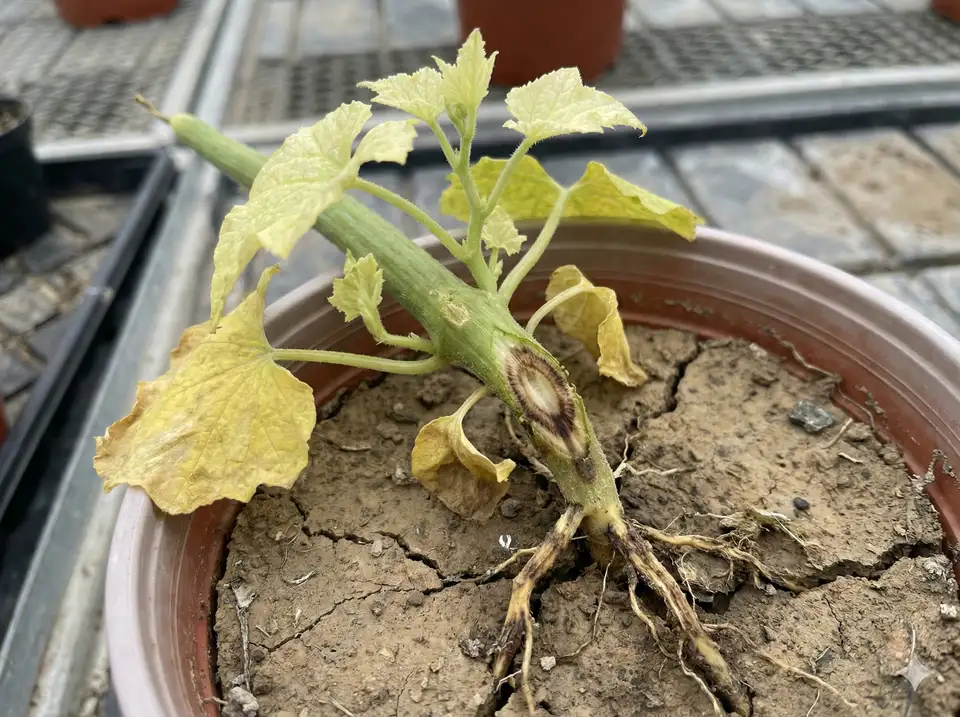
Root rot causes sudden wilting despite moist soil, with yellowing and wilting of lower leaves first. When you examine the roots, they appear brown and mushy. The stem at soil line may appear dark and water-soaked. Plants can collapse rapidly once infection is established.
Root rot develops in poorly drained soil or with overwatering, heavy clay soils, cool wet weather early in season, and planting in the same location year after year.
Improve drainage immediately. Apply Trichoderma-based products or mycorrhizal inoculants. Reduce watering frequency. Prevention is often the only effective strategy—root rot is difficult to cure once established.
Bacterial Diseases
Bacterial diseases are often more difficult to treat than fungal diseases and can kill plants rapidly. Prevention and early removal of infected plants are the best strategies.
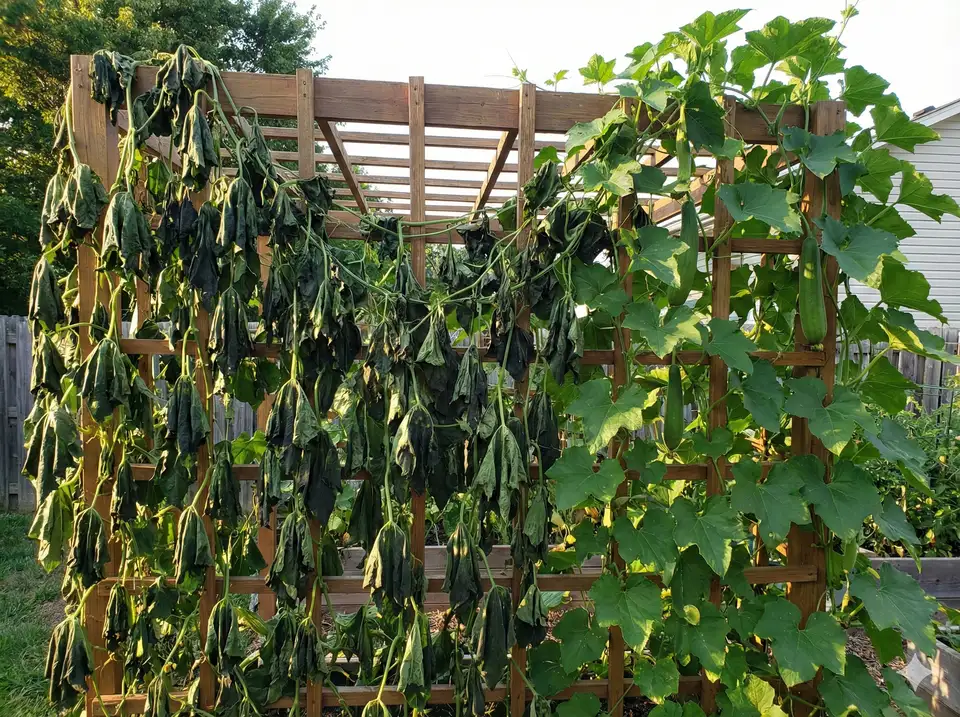
Once a plant is infected with bacterial wilt or other bacterial diseases, there is no effective treatment. Infected plants should be removed immediately and disposed of in the trash (not compost) to prevent spread.
Bacterial Wilt
Bacterial Disease (Erwinia tracheiphila)
Bacterial wilt causes sudden wilting of individual leaves or vines that persists even with adequate moisture. A key diagnostic test: cut the stem and slowly pull the two halves apart—if you see white, sticky bacterial ooze that strings between the halves, it's bacterial wilt. The entire plant typically wilts and dies within 3-7 days of symptoms appearing.
Cucumber beetles are the primary vector—learn to identify and control these pests. The bacteria overwinter in the beetle gut and are transmitted through feeding wounds on leaves and stems.
- Control cucumber beetles aggressively
- Use row covers until flowering
- Apply kaolin clay as beetle deterrent
- Remove and destroy infected plants immediately
Viral Diseases
Viral diseases cannot be cured and are spread primarily by insects, especially aphids. Focus on prevention through pest control.
Mosaic Viruses
Viral Disease (CMV, SqMV, others)
Mosaic viruses cause mottled light and dark green patterns on leaves (the characteristic "mosaic" appearance), along with leaf curling, puckering, or distortion. Plants become stunted with reduced growth, and fruit develops warty, bumpy, or misshapen surfaces. Yields are reduced and fruit quality suffers significantly.
- Control aphid and beetle populations
- Use reflective mulch to deter aphids
- Remove infected plants immediately
- Wash hands and tools between plants
- Use certified virus-free seed

Environmental Issues (Non-Infectious)
Not all plant problems are caused by pathogens. Environmental stress can cause symptoms that mimic diseases but require different solutions.
Blossom End Rot
Calcium Deficiency (Environmental)
Blossom end rot appears as dark, sunken areas at the blossom end of fruit. The affected area becomes leathery and black, usually appearing when fruit is half-grown. This is not a disease but a calcium deficiency caused by inconsistent watering.
- Maintain consistent soil moisture
- Add calcium (gypsum or lime) before planting
- Mulch to retain even moisture
- Avoid excessive nitrogen fertilization
Disease Prevention Strategies
The best approach to loofah diseases is prevention. These cultural practices will dramatically reduce disease pressure:
- Practice Crop Rotation: Don't plant cucurbits in the same spot for at least 3 years
- Ensure Good Air Circulation: Space plants 6-8 feet apart, train on sturdy trellises
- Water at Soil Level: Use drip irrigation, avoid overhead watering
- Water in the Morning: Allows leaves to dry before nightfall
- Use Mulch: Prevents soil-borne spores from splashing onto leaves
- Control Insects: Manage cucumber beetles and aphids that spread diseases
- Sanitize Tools: Clean with 70% alcohol between plants
- Remove Infected Material: Dispose in trash, not compost

Quick Disease Identification Chart
| Symptom | Likely Disease | Type | Severity |
|---|---|---|---|
| White powder on leaves | Powdery Mildew | Fungal | Medium |
| Yellow angular spots, gray fuzz | Downy Mildew | Oomycete | High |
| Sudden wilt, sticky stem ooze | Bacterial Wilt | Bacterial | Fatal |
| Brown mushy roots | Root Rot | Fungal | High |
| Mottled leaves, distorted growth | Mosaic Virus | Viral | No Cure |
| Dark sunken area on fruit end | Blossom End Rot | Environmental | Correctable |