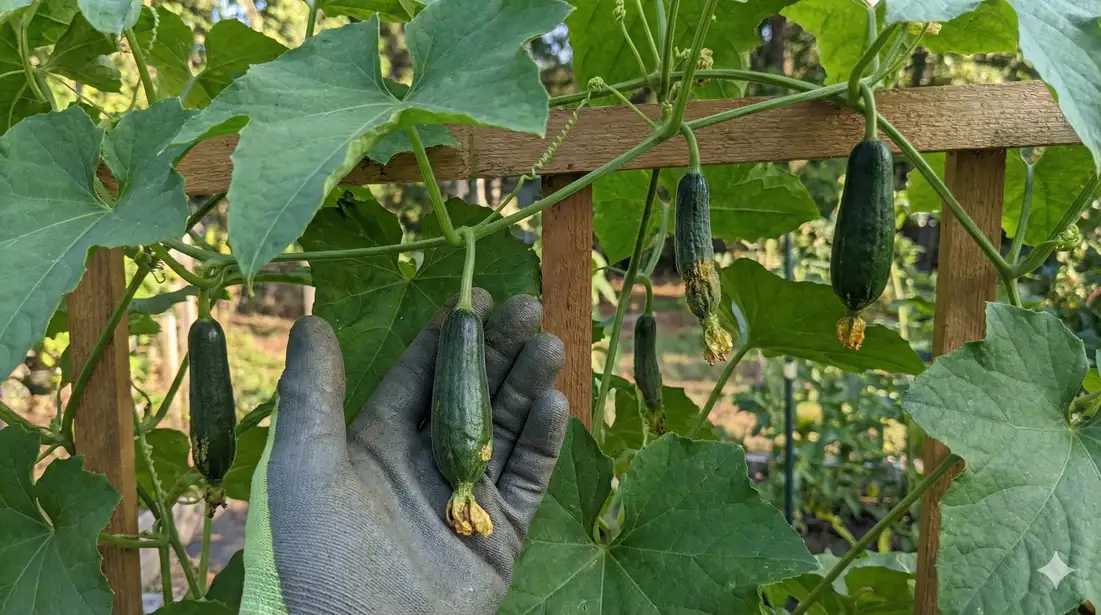
Expecting big loofah sponges but getting tiny fruit? You've waited months for your loofah to produce, and finally you see those little gourds forming. But weeks later, they're still small—nothing like the impressive 12-24 inch sponges you were expecting.
Small loofah fruit is frustrating, but usually fixable. The key is identifying the cause early, while there's still time to correct it for current or future fruit. Understanding proper loofah plant care is essential to achieving the best results.
Recommended Growing Supplies
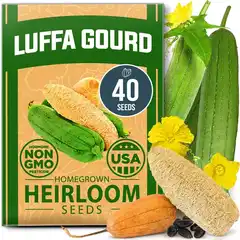
HOME GROWN Non-GMO Luffa Gourd Seeds (40 Seeds)
High-yield heirloom variety - harvest for sponges or eat young as a vegetable - includes growing guide
Buy on Amazon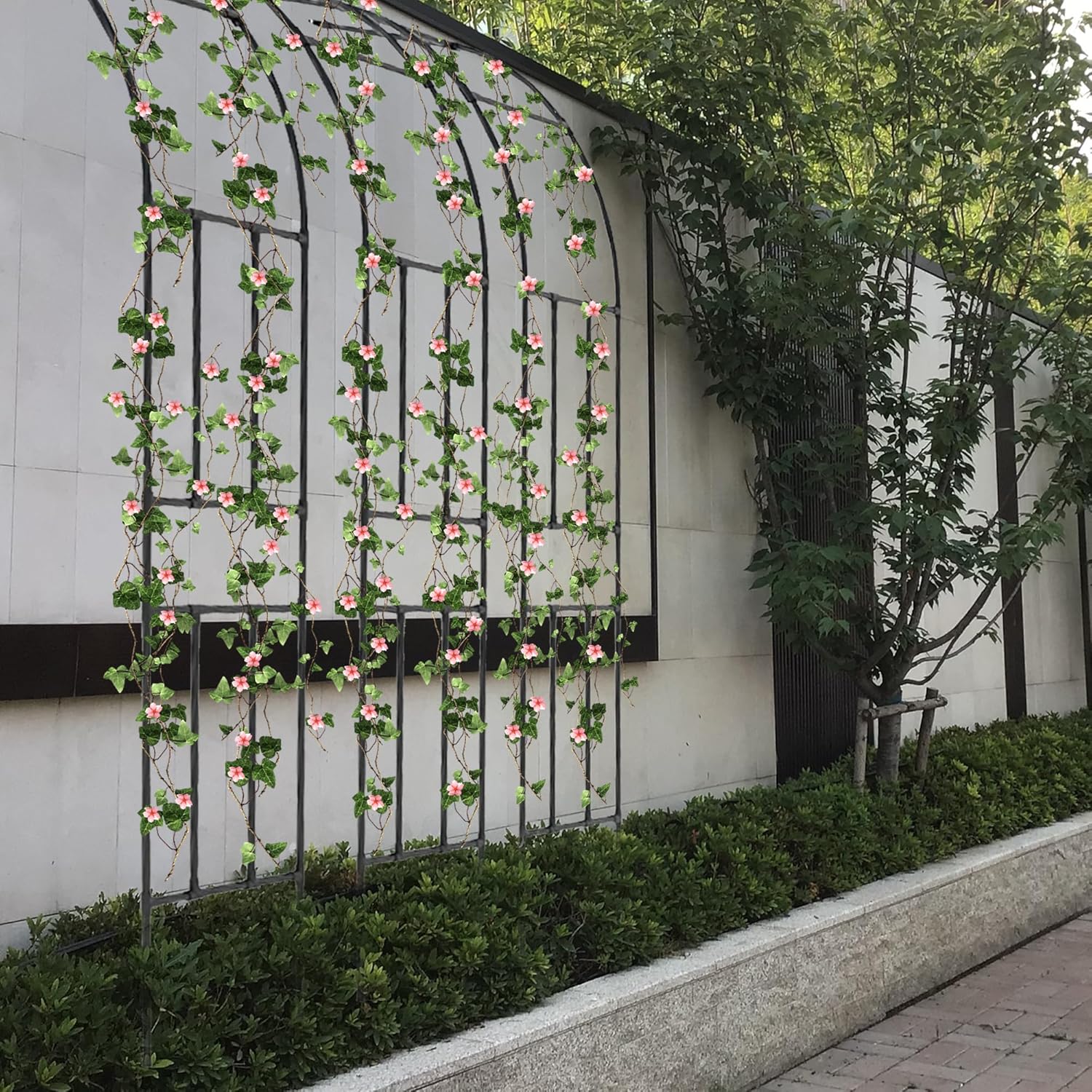
Twira Heavy-Duty Metal Garden Arch Trellis (7.9FT)
Rust-proof galvanized steel supports 100+ lbs of loofah vines - easy assembly with ground stakes
Buy on AmazonAs an Amazon Associate, we earn from qualifying purchases.
What Size Should Loofah Be?
Before troubleshooting, let's establish what "normal" loofah size looks like. Mature loofah typically ranges from 12-24 inches long and 3-4 inches in diameter. Fruit smaller than 8-10 inches when mature will still make usable sponges, though they'll be smaller. Anything under 6 inches at maturity is considered a problem—these loofahs are too small for good sponges.
Keep in mind that loofah fruit grows rapidly for about 3-4 weeks after pollination, then stops expanding. If your fruit has stopped growing and is still under 8 inches, or if fruit consistently stays small despite good conditions, use this guide to troubleshoot. If fruit is still actively growing, give it time—loofahs can add an inch or more per day in ideal conditions.
Cause 1: Poor or Incomplete Pollination (Most Common)
Signs This Is Your Problem
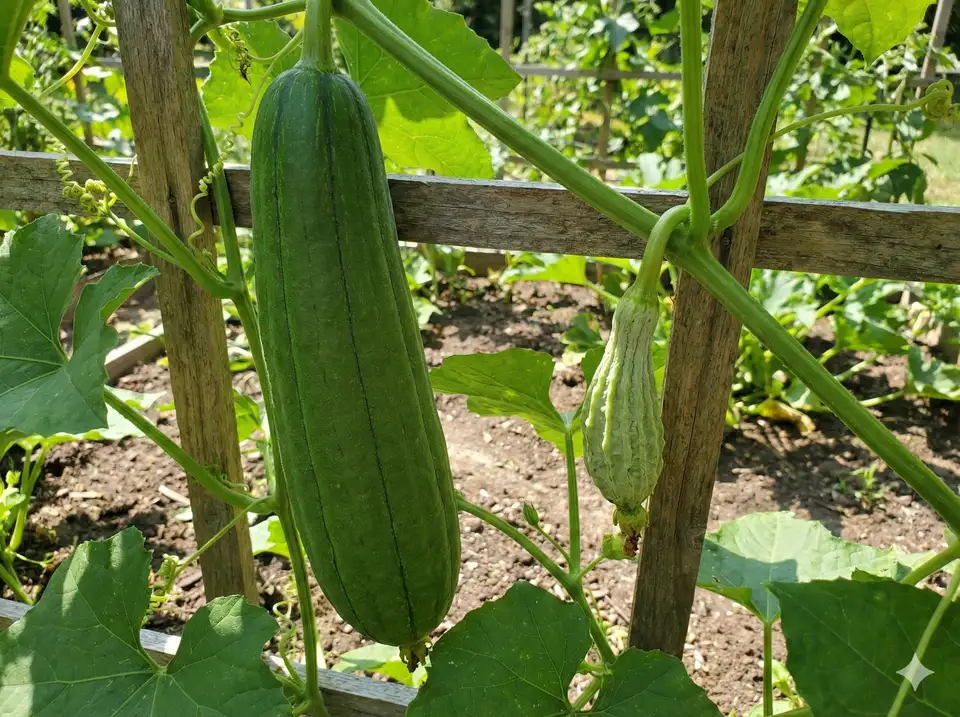
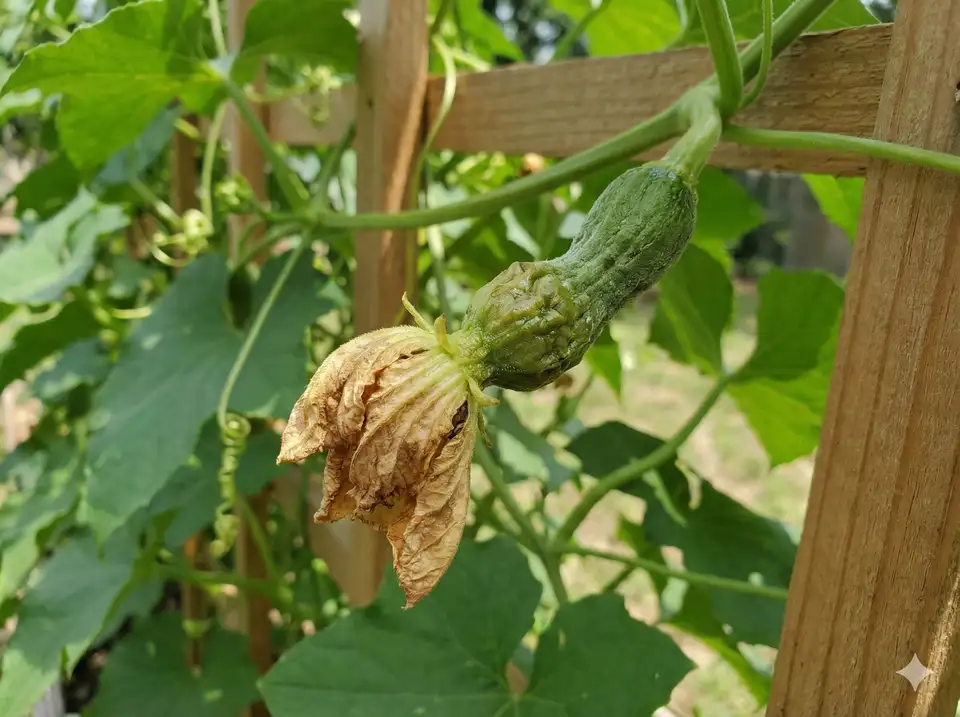
Incomplete pollination produces distinctive symptoms. The fruit often appears misshapen, curved, or tapered at one end rather than uniformly cylindrical. You may notice fruit starts growing then stops abruptly, or has a "pinched" underdeveloped section. If you rarely see bees or other pollinators visiting your garden, or if some fruit reach normal size while others stay stunted, pollination issues are likely the culprit.
Why This Happens: Loofah flowers need thorough pollination to develop full-sized fruit. Each seed inside the loofah comes from a pollinated ovule. If pollination is incomplete, fewer seeds develop, and the fruit stays small or grows unevenly.
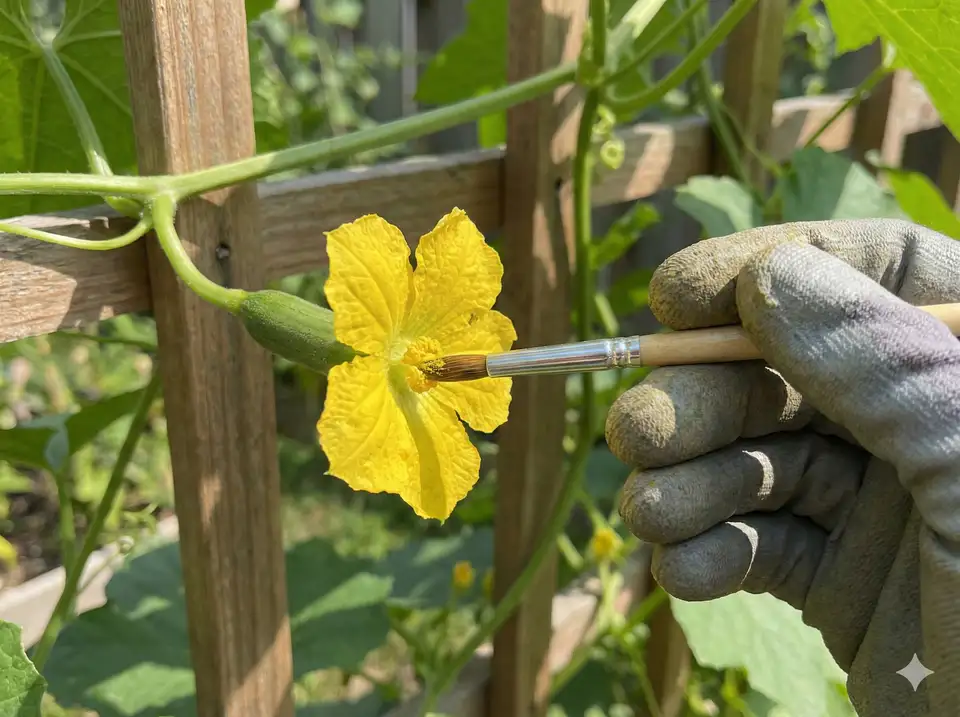
- Hand pollinate every female flower (see our pollination guide)
- Use pollen from 2-3 male flowers per female
- Pollinate in early morning when flowers first open
- Dab pollen thoroughly across the entire stigma
- Plant bee-attracting flowers nearby
Cause 2: Insufficient Water During Fruit Development
Signs This Is Your Problem
Water-stressed loofah produces fruit that is tough, fibrous, or woody even when small—the texture tells you the plant couldn't fully hydrate the developing fruit. You'll also notice leaves wilting in afternoon heat, soil drying out quickly between waterings, and fruit growth slowing or stopping during dry spells. This is especially common in hot, dry climates without supplemental irrigation.
Why This Happens: Loofah fruit is mostly water during the rapid growth phase. Without consistent moisture, the plant can't expand fruit cells properly. Drought stress causes the plant to prioritize survival over fruit development. Water stress can also attract common loofah pests.
- Water deeply 2-3 times per week during fruiting
- Provide 1-2 inches of water per week minimum
- Mulch heavily (3-4 inches) to retain moisture
- Install drip irrigation for consistent watering
- Water in early morning before heat
- Never let soil dry out completely during fruiting
Cause 3: Too Many Fruit Competing for Resources
Signs This Is Your Problem
When resource competition is the issue, you'll see the plant producing 10 or more fruit developing at once, with all of them uniformly small rather than a mix of sizes. The plant may look stressed or show yellowing leaves despite receiving good care. Fruit growth is slow across the board, and you haven't thinned any fruit during the season.
Why This Happens: Each plant has limited energy. When too many fruit develop simultaneously, resources are divided among all of them, resulting in many small fruit instead of fewer large ones. First-time growers following our complete growing guide often learn this lesson.
- Thin fruit to 4-6 per plant for maximum size
- Remove the smallest, misshapen, or damaged fruit first
- Remove fruit early (when 2-3 inches) for least stress
- Space remaining fruit along the vine
- Increase fertilizer when allowing more fruit
For large, premium sponges, limit each plant to 4-6 fruit. For more (smaller) sponges, you can allow 8-10 fruit per plant, but expect smaller size. Commercial growers often thin aggressively for market-quality loofahs.
Cause 4: Nutrient Deficiency
Signs This Is Your Problem
Nutrient-deficient plants show telltale signs beyond small fruit. Look for yellow or pale green leaves, which also makes plants vulnerable to loofah diseases. You'll notice slow overall plant growth and may realize you haven't fertilized during the season. This is especially common when growing in poor, sandy, or depleted soil, or when container growing without supplemental fertilizer.
- Apply balanced fertilizer (10-10-10) every 2-3 weeks
- Side-dress with compost during fruiting
- Use tomato fertilizer (high in potassium) for fruit development
- Apply fish emulsion for quick nutrient boost
- Don't over-fertilize with nitrogen (promotes leaves over fruit)
Cause 5: Insufficient Sunlight
Signs This Is Your Problem
If your plant receives less than 6 hours of direct sun daily, sunlight is likely limiting fruit size. Other signs include leggy vines with long spaces between leaves (the plant is stretching toward light), slow fruit growth despite adequate water and nutrients, and obvious shading from buildings, trees, or taller plants.
- Provide 8+ hours of full sun daily
- Prune nearby plants or trees creating shade
- Train vines to grow toward sunny areas
- For containers, relocate to sunnier spot
- Next season, choose a better location
Cause 6: Variety Differences (Often Overlooked)
Signs This Is Your Problem
Sometimes the plant itself is the limiting factor. If your plant is healthy with good growing conditions but fruit consistently reaches the same smaller size then stops, variety may be the issue. This is especially likely if you're growing Luffa acutangula (ridged or angled loofah) rather than the sponge variety, or if your seeds came from an unknown source.
Why This Happens: There are two main loofah species: Luffa aegyptiaca (smooth loofah) produces large sponges up to 24 inches. Luffa acutangula (ridged loofah) is primarily grown for eating and produces smaller fruit. Some seed sellers don't specify which species they're selling.
- For sponges, grow Luffa aegyptiaca (smooth loofah)
- Purchase seeds from reputable sources that specify variety
- Look for varieties bred for sponge production
- Save seeds from your largest, best fruit for next year
Cause 7: Late Season Fruit
Signs This Is Your Problem
Timing matters significantly for loofah fruit size. If fruit set late in the season (September or later in zones 7-8), with days getting noticeably shorter and night temperatures dropping below 60°F, late timing may be limiting growth. You may also notice that your early fruit were larger than current fruit—a clear sign of seasonal decline.
Why This Happens: Loofah is a tropical plant that grows best with long, hot days. As days shorten and temperatures cool in fall, growth slows dramatically. Fruit that sets late in the season simply doesn't have enough warm days to reach full size. Timing is critical for optimal harvest.
- Start seeds earlier next year (indoors 6-8 weeks before last frost)
- Remove late flowers to redirect energy to existing fruit
- Use row covers or cold frames to extend season
- In short-season areas, choose faster-maturing varieties
- Accept that late fruit may be smaller but still usable
Quick Tips for Maximum Loofah Size
- Hand pollinate every female flower with 2-3 male flowers
- Water consistently—1-2 inches per week minimum during fruiting
- Thin fruit to 4-6 per plant for largest size
- Fertilize regularly with balanced or high-potassium fertilizer
- Provide full sun—8+ hours daily
- Start early—seeds indoors 6-8 weeks before last frost