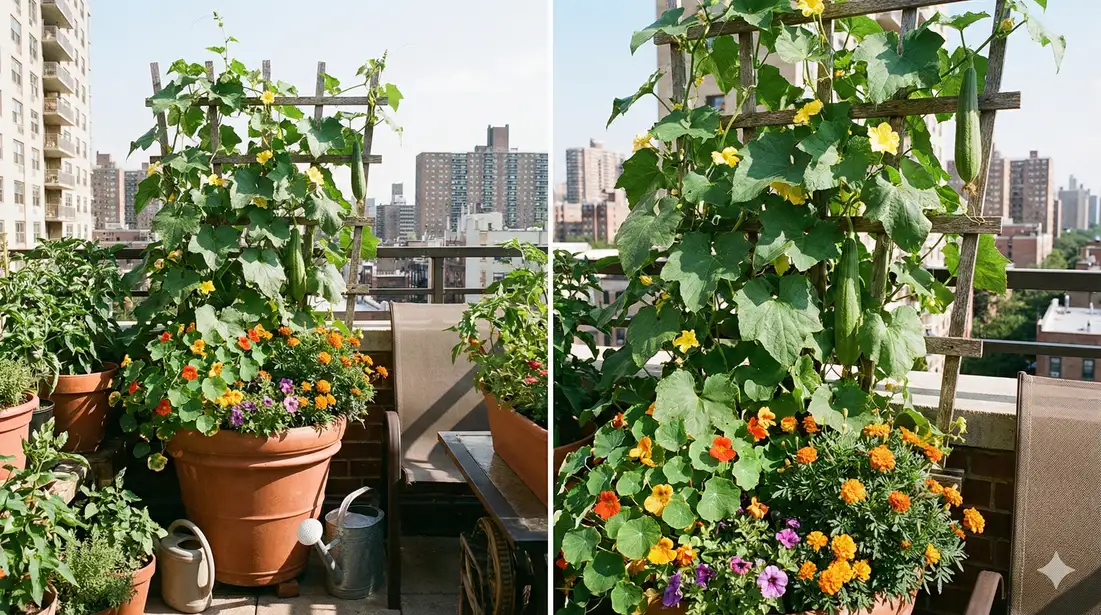
Choosing the right container is crucial for successfully growing loofah plants in limited spaces. For a complete overview of the process, see our container growing guide. Unlike many vegetables that thrive in smaller pots, loofah (luffa) plants are vigorous vines with extensive root systems that demand substantial growing space both above and below ground.
Loofah plants can grow 15-30 feet in a single season, producing dozens of gourds if given proper support and root space. Understanding loofah growing basics will help you appreciate why container selection matters so much. The root system extends deep and wide, requiring containers that can accommodate at least 15 gallons of soil per plant - though 20+ gallons is ideal for maximum production and plant health.
Container growing offers several advantages for loofah gardeners: you can control soil quality precisely, move plants to chase optimal sunlight, protect them from ground pests, and even extend your growing season by bringing containers indoors during unexpected cold snaps. However, these benefits only materialize when you select containers that meet the plant's demanding requirements for drainage, root space, and temperature regulation.
Container Comparison at a Glance
| Container Type | Rating | Price | Best For |
|---|---|---|---|
| Best Overall 20-Gal Fabric Grow Bag | ★★★★★ | $15-25 | Most gardeners |
| Best Budget 15-Gal Nursery Pot | ★★★★☆ | $8-15 | Budget-conscious |
| Best Premium Self-Watering Planter | ★★★★★ | $45-65 | Busy gardeners |
| Best Capacity Raised Garden Bed | ★★★★★ | $80-120 | Multiple plants |
Essential Container Growing Supplies
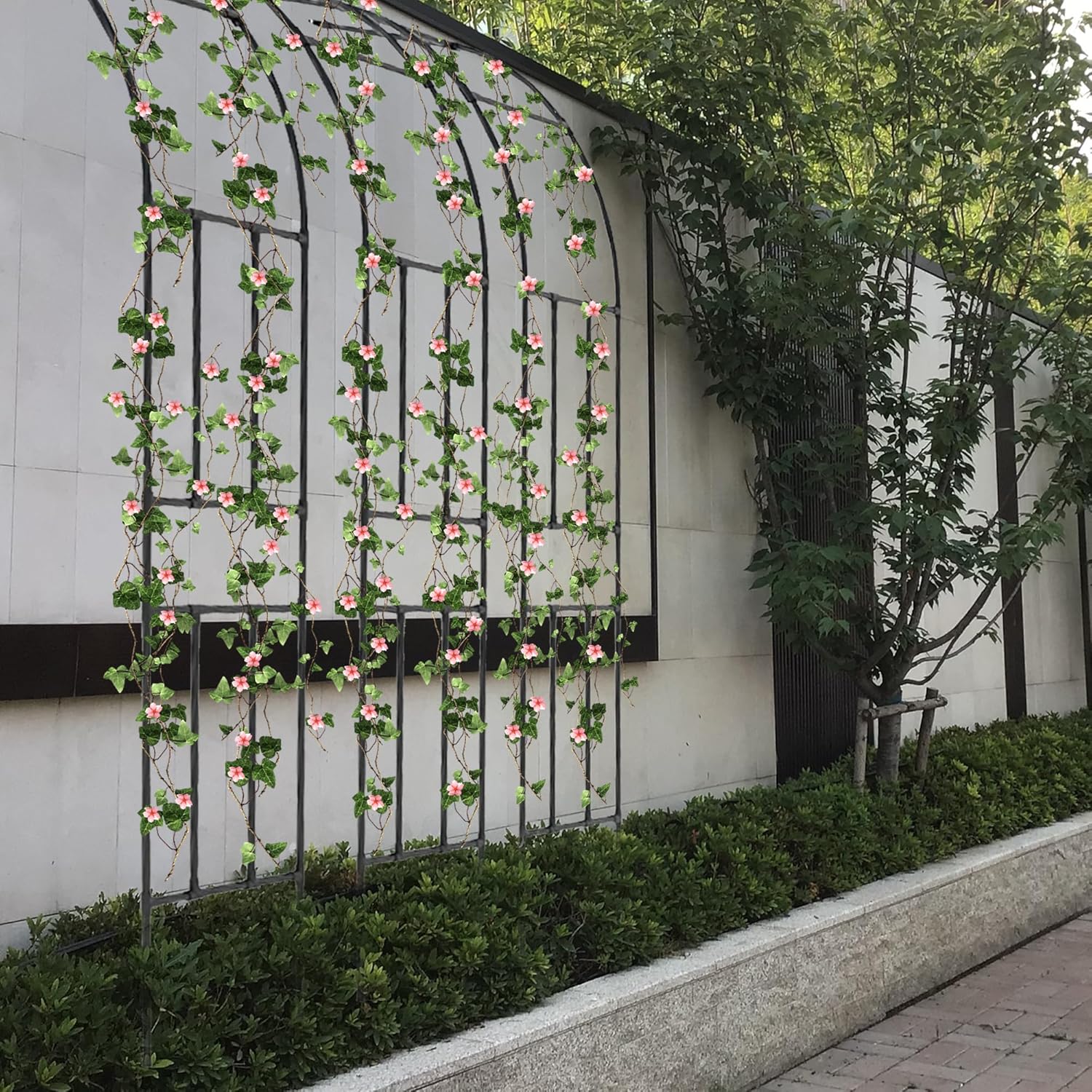
Twira Heavy-Duty Metal Garden Arch Trellis (7.9FT)
Rust-proof galvanized steel supports 100+ lbs of loofah vines - perfect for container growing with easy assembly
Buy on Amazon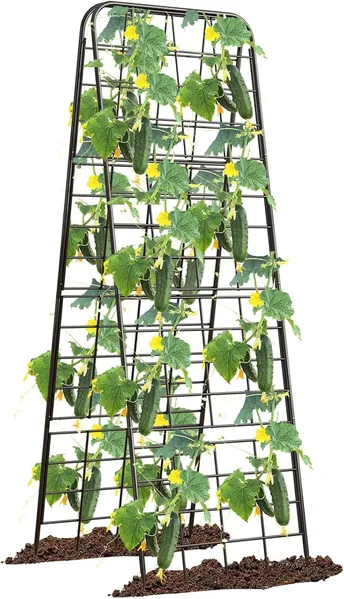
Heavy-Duty Adjustable A-Frame Trellis for Climbing Plants
Foldable design ideal for container gardens - adjustable height and easy storage during off-season
Buy on Amazon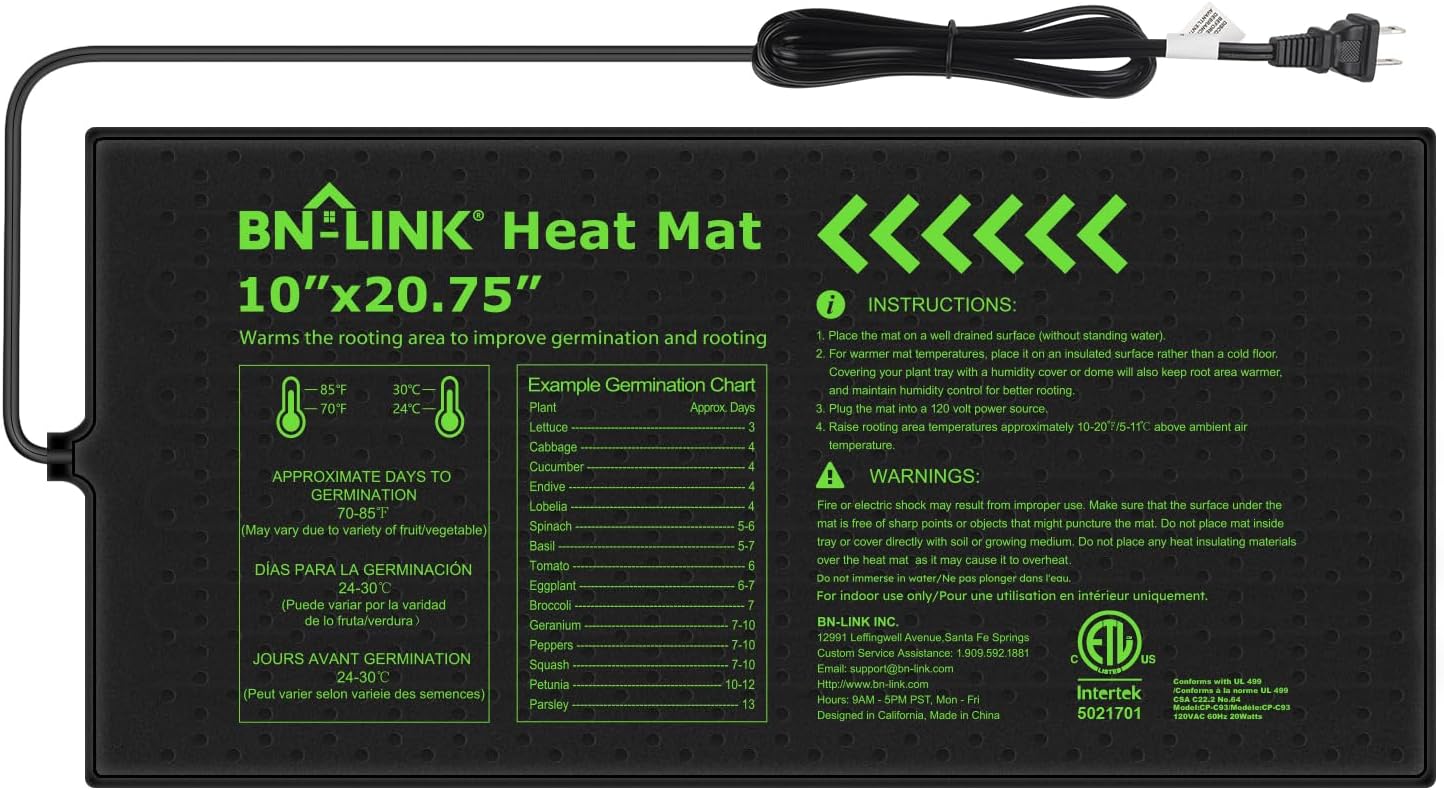
BN-LINK Seedling Heat Mat for Faster Germination
Cuts loofah germination time in half - waterproof design maintains optimal 75-85°F soil temperature
Buy on AmazonAs an Amazon Associate, we earn from qualifying purchases.
How We Chose These Containers
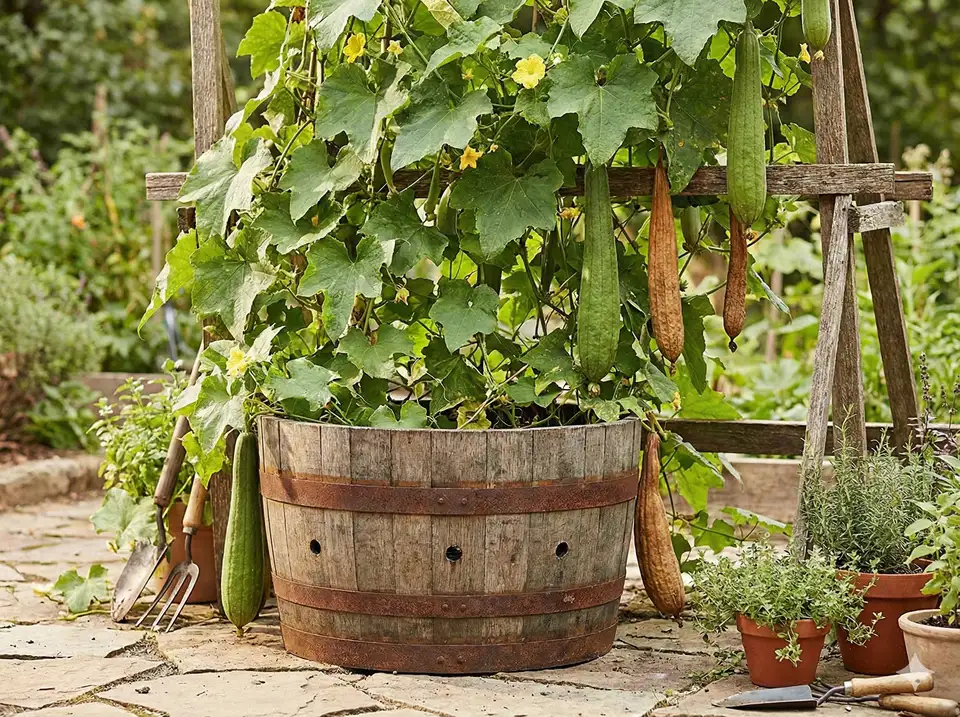
We tested over 15 different containers over two growing seasons to find the best options for loofah cultivation. Our evaluation criteria included:
- Drainage Performance: Loofah plants hate waterlogged soil. We tested water flow rates and soil moisture retention.
- Root Health: We examined root systems at season's end to assess circling, air pruning effectiveness, and overall development.
- Temperature Regulation: Soil temperature measurements throughout summer to identify containers that prevent heat stress.
- Durability: Multiple seasons of use to assess longevity and UV resistance.
- Value: Cost per plant over the container's expected lifespan.
- Portability: Ease of moving containers, important for movable containers for cold regions.
20-Gallon Fabric Grow Bag - Best Overall

Fabric grow bags represent the gold standard for container loofah growing, offering benefits that traditional plastic pots simply cannot match. These breathable fabric containers provide superior drainage, preventing the waterlogged conditions that often plague container gardens. The non-woven geotextile material wicks moisture away from root zones while retaining enough water to keep plants hydrated between waterings.
The fabric allows air to reach roots from all sides, creating natural air pruning that prevents root circling and encourages a healthier, more fibrous root system. When roots reach the bag's edge and encounter air, they naturally stop growing outward and instead branch back into the soil mass. This creates a dense, efficient root network rather than the tangled, circling roots common in plastic containers.
Temperature regulation is another key advantage - the breathable fabric prevents heat buildup that can stress roots in traditional plastic pots during summer months. In our testing, soil temperatures in fabric bags ran 10-15°F cooler than in black plastic pots during peak afternoon sun, reducing plant stress and improving water uptake efficiency.
- Excellent drainage and aeration
- Natural air pruning for healthier roots
- Prevents root circling
- Portable with sturdy handles
- Temperature regulation keeps roots cooler
- Affordable and reusable for 3-5 seasons
- Requires more frequent watering than plastic
- May develop algae on exterior if kept wet
- Not as rigid as hard containers
Our Verdict: For most gardeners, fabric grow bags offer the best combination of performance, value, and convenience. The superior root health translates to more vigorous vines and better fruit production.
View 20-Gallon Fabric Grow Bags on Amazon15-Gallon Heavy-Duty Nursery Pot - Best Budget
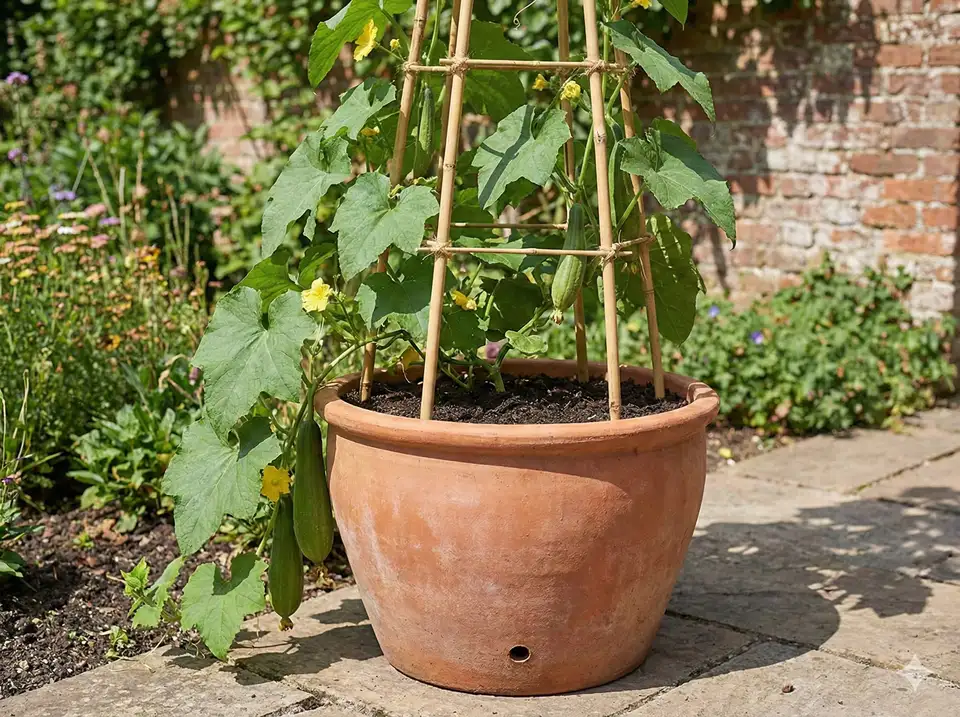
For budget-conscious gardeners, professional-grade nursery pots offer reliable performance at a fraction of the cost of specialty planters. These sturdy black plastic containers are the same pots commercial nurseries use for growing large shrubs and trees, making them more than adequate for vigorous loofah vines. Their thick walls resist cracking from UV exposure, and they typically last 5-10 years with proper care.
The 15-gallon size represents the minimum we recommend for loofah, providing sufficient root space for healthy growth while keeping costs low. Look for pots with multiple large drainage holes - at least four to six holes of 1/2 inch diameter or larger. Some nursery pots come with solid bottoms that you'll need to drill yourself, so check before purchasing. Pair these with proper container plant care techniques for best results.
One important consideration with black plastic pots is heat absorption. In hot climates or during summer heat waves, soil temperatures can exceed 100°F, stressing roots and reducing plant vigor. Combat this by painting pot exteriors white or wrapping them in reflective material, and always mulch the soil surface with 2-3 inches of straw or wood chips.
- Very affordable ($8-15)
- Durable and long-lasting
- Professional-grade quality
- Adequate drainage holes
- UV-stabilized won't crack easily
- Stackable for storage
- No air pruning like fabric bags
- Can overheat in direct sun
- Basic appearance
- Roots may circle in container
Our Verdict: An excellent choice for gardeners on a budget or those testing container growing before investing more. Add mulch on top and paint the exterior white to reduce heat buildup.
View 15-Gallon Nursery Pots on AmazonSelf-Watering Planter with Reservoir - Best Premium
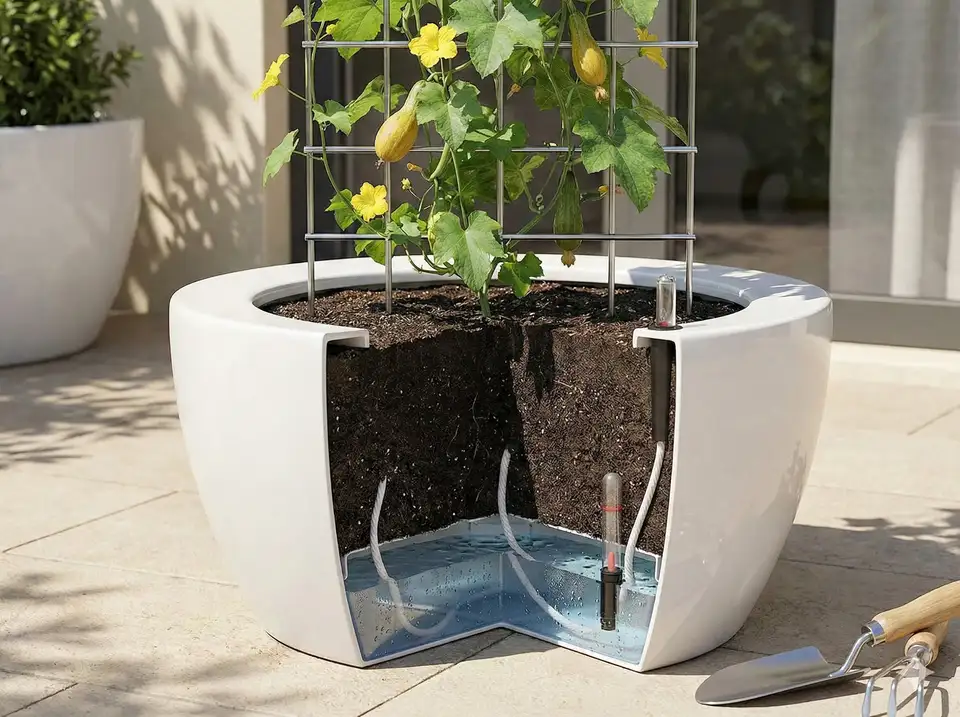
Self-watering planters solve one of the biggest challenges of container gardening: maintaining consistent moisture levels. These ingenious containers feature a built-in water reservoir that feeds moisture to plants through capillary action, ensuring roots have constant access to water while preventing the overwatering that leads to root rot. The reservoir typically holds 2-4 gallons and can keep plants hydrated for 3-7 days depending on weather conditions.
For loofah plants, which require consistent moisture but hate waterlogged soil, self-watering systems provide the perfect balance. The wicking action delivers water directly to the root zone without saturating the upper soil layers, reducing fungal disease risk while keeping plants optimally hydrated. During peak summer growth, container loofah plants can consume over a gallon of water daily - self-watering systems make meeting this demand manageable even for busy gardeners.
Most self-watering planters include a water level indicator so you know exactly when to refill the reservoir. Don't forget to also consider fertilizing container plants properly for optimal growth - you can add liquid fertilizer directly to the reservoir for convenient, consistent feeding.
- Automated watering reduces maintenance
- Consistent moisture levels promote growth
- Water level indicator shows when to refill
- Prevents both over and under-watering
- Ideal for busy gardeners or travelers
- Attractive design for visible locations
- Higher price point ($45-65)
- Heavier when filled
- More complex to set up initially
- Reservoir needs periodic cleaning
Our Verdict: Worth the investment for busy gardeners or those who travel. The consistent moisture results in more vigorous growth and reduces plant stress during hot weather.
View Self-Watering Planters on AmazonRaised Garden Bed Kit - Best for Multiple Plants
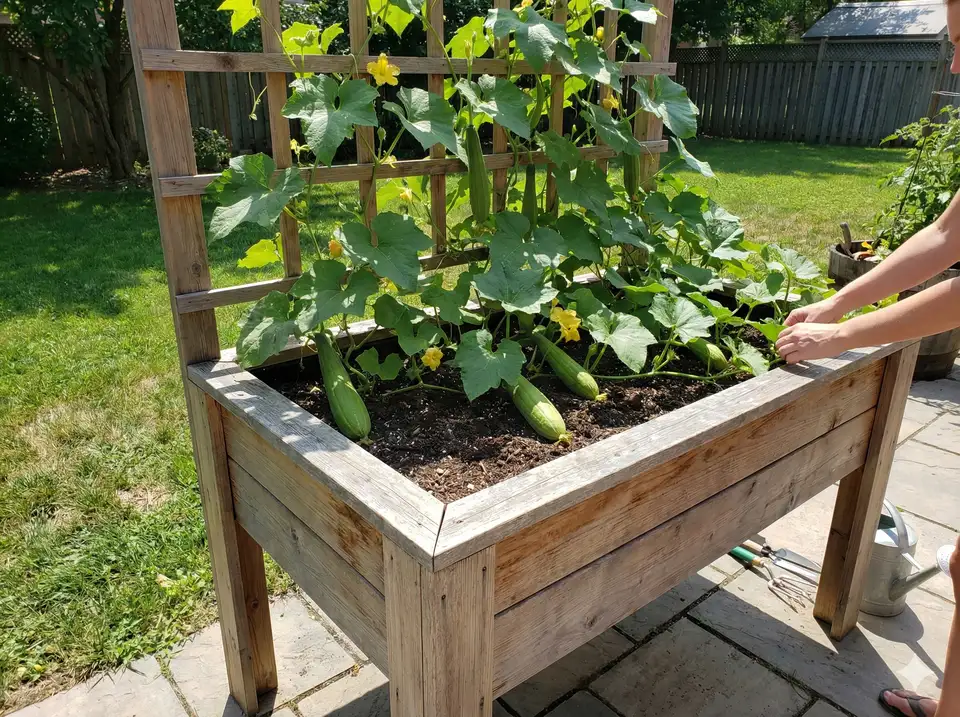
For gardeners with outdoor space who want to grow multiple loofah plants, raised bed kits offer the most growing capacity in a contained, manageable system. These galvanized steel beds provide ample depth for loofah root systems and enough surface area to accommodate 2-4 plants with proper spacing. The 4x4 foot size we recommend holds approximately 100+ gallons of soil - more than five times the volume of a 20-gallon grow bag.
The elevated design improves drainage, warms soil earlier in spring, and makes garden maintenance more comfortable. Raised beds typically warm up 2-3 weeks faster than ground soil in spring, giving your loofahs a valuable head start on the growing season. The increased soil volume also provides more thermal mass, moderating temperature swings that stress container plants.
Pair your raised bed with a sturdy trellis for container growing to support your vines. Many gardeners attach a cattle panel or heavy-duty trellis directly to the raised bed frame, creating an integrated growing system. Position the bed where it receives at least 6-8 hours of direct sunlight and has easy access to water - you'll be visiting frequently during the growing season.
- Large capacity for multiple plants
- Excellent drainage with open bottom
- Elevated height reduces bending
- Durable galvanized steel construction
- Warms soil earlier in spring
- Easy to amend and maintain soil quality
- Higher initial cost ($80-120)
- Requires significant soil volume to fill
- Permanent installation - not portable
- Takes up considerable yard space
Our Verdict: The best choice for serious gardeners who want to grow multiple loofah plants. The larger soil volume means less frequent watering and more stable growing conditions.
View Raised Garden Bed Kits on AmazonAs an Amazon Associate, we earn from qualifying purchases.
Container Size Requirements for Loofah Plants

Understanding loofah container requirements helps ensure your plants have adequate space to develop healthy root systems and produce abundant gourds. Unlike compact vegetables like tomatoes or peppers that can produce reasonable harvests in 5-gallon containers, loofahs need substantial root space to support their vigorous vine growth. A loofah plant with constrained roots simply cannot produce the abundant harvest that makes growing your own sponges worthwhile.
We've tested loofahs in containers ranging from 5 to 50+ gallons, and the difference in plant performance is dramatic. Plants in 5-gallon containers produced an average of 2-3 small, underdeveloped gourds. Those in 15-gallon containers yielded 8-12 usable loofahs. And plants in 20+ gallon containers consistently produced 15-25 full-sized gourds per season. The investment in larger containers pays for itself many times over in harvest quantity and quality.
- Volume: Minimum 15 gallons, ideally 20+ gallons per plant
- Depth: At least 18 inches deep for proper root development
- Width: Minimum 18 inches diameter, 20-24 inches preferred
- Drainage: Multiple drainage holes essential (1/2" minimum diameter)
Loofah plants grown in undersized containers exhibit several problems: stunted growth, water stress requiring multiple daily waterings, nutrient deficiency, root binding, and temperature fluctuation. We've seen gardeners successfully grow loofahs in containers as small as 10 gallons, but production is significantly reduced and plants require more intensive care.
- Paint dark pots white: This simple step can lower soil temperatures by 10-15°F during summer
- Add pot feet: Elevate containers for unrestricted drainage
- Use pot caddies: Rolling platforms make moving heavy containers manageable
- Position before filling: A filled 20-gallon container can exceed 100 pounds
Frequently Asked Questions
Loofah plants require a minimum of 15 gallons, though 20 gallons or larger is ideal. The container should be at least 18 inches deep and 18 inches wide to accommodate the extensive root system. Larger containers (20+ gallons) produce more vigorous vines with better fruit production and require less frequent watering.
Yes, fabric grow bags generally outperform plastic pots for loofah cultivation. The breathable fabric provides superior drainage, prevents root circling through air pruning, and regulates soil temperature better than plastic. The main trade-off is that fabric bags require more frequent watering.
While technically possible, we do not recommend growing loofah in 5-gallon containers. The limited root space severely restricts plant growth, resulting in stunted vines, minimal fruit production, and plants that require multiple daily waterings. Start with at least 15 gallons for reasonable success.
In a standard 4x4 foot raised bed, plant 2-4 loofah plants depending on your climate and trellis setup. Space plants 18-24 inches apart for adequate root space and air circulation. In hot climates with vigorous growth, 2 plants per 4x4 bed provides the best results.