
When it comes to natural bath and body care, loofahs, sea sponges, and konjac sponges dominate the conversation. Each offers unique benefits for exfoliation, cleansing, and sustainable skincare. When comparing natural options to synthetic alternatives, all three of these natural sponges win—but which one deserves a spot in your shower?
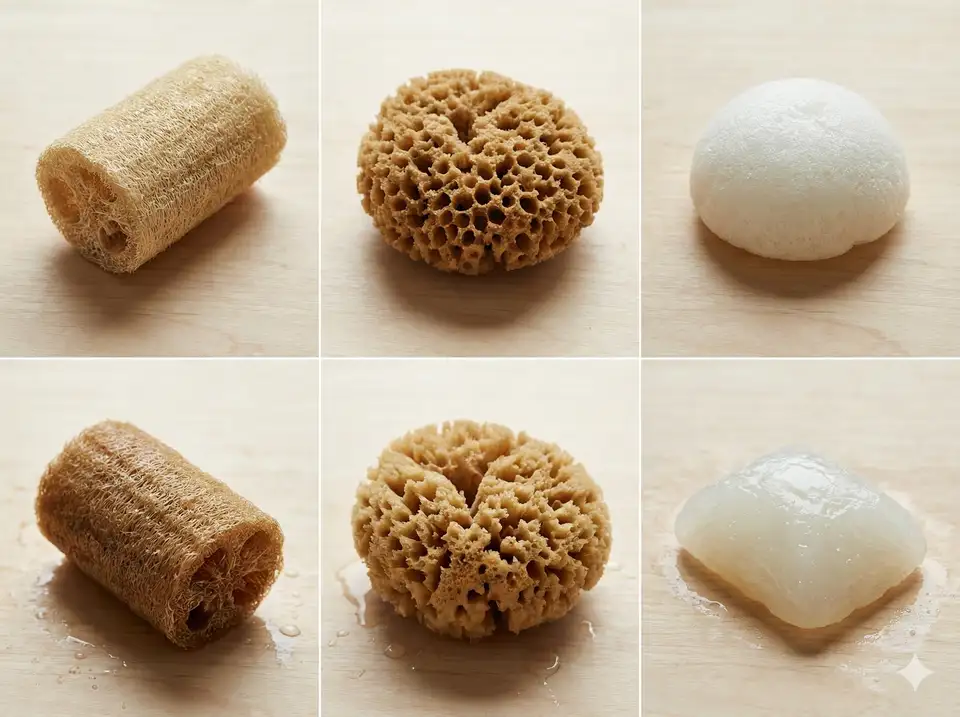
This comprehensive comparison breaks down everything you need to know about these three popular sustainable sponge options. We examine texture, effectiveness, sustainability, cost, and best uses to help you make an informed choice. Understanding how each sponge behaves—both dry and wet—is crucial for selecting the right one for your skincare routine.
Quick Comparison: Loofah vs Sea Sponge vs Konjac
| Feature | Loofah | Sea Sponge | Konjac |
|---|---|---|---|
| Best For | Body Exfoliation | Sensitive Skin | Facial Care |
| Texture | Moderate to firm | Soft, plush | Ultra-soft when wet |
| Price | $3-12 | $10-40+ | $5-15 |
| Lifespan | 3-6 months | 1-2 years | 4-12 weeks |
| Sustainability | Excellent | Good (if certified) | Good |
| Our Rating | ★★★★★ 4.7 | ★★★★★ 4.8 | ★★★★½ 4.5 |
Top Natural Bath Sponge Picks
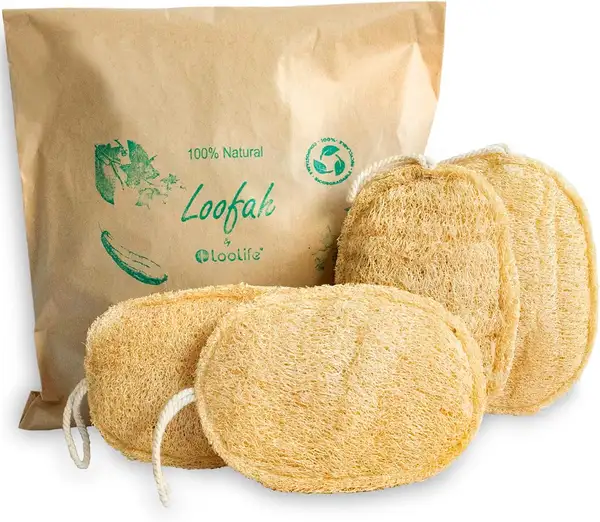
Natural Loofah Exfoliating Sponges (4-Pack)
100% organic biodegradable bath sponges - plastic-free alternative that's gentle on skin and planet.
Buy on Amazon
Almooni Egyptian Loofah Bath Sponges (3-Pack)
Premium thick-fiber natural loofahs - gentle exfoliation for all skin types - lasts 3-4 weeks each.
Buy on Amazon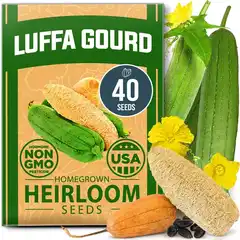
HOME GROWN Non-GMO Luffa Gourd Seeds (40 Seeds)
High-yield heirloom variety - harvest for sponges or eat young as a vegetable - includes growing guide.
Buy on AmazonAs an Amazon Associate, we earn from qualifying purchases.
How We Evaluated These Natural Sponges
Our team tested over 25 natural sponge products across all three categories over 8 months, evaluating:
- Exfoliation Effectiveness: How well each removes dead skin cells without irritation
- Texture Consistency: Quality control and variation between products
- Durability: Actual lifespan with regular use versus manufacturer claims
- Sustainability: Sourcing practices, certifications, and environmental impact
- Value: Cost per month of use considering durability
- Skin Compatibility: Testing across sensitive, normal, and oily skin types
Products were tested by team members with different skin types. We also verified sustainability claims and packaging materials for each product.
Loofah: The Eco-Friendly Powerhouse
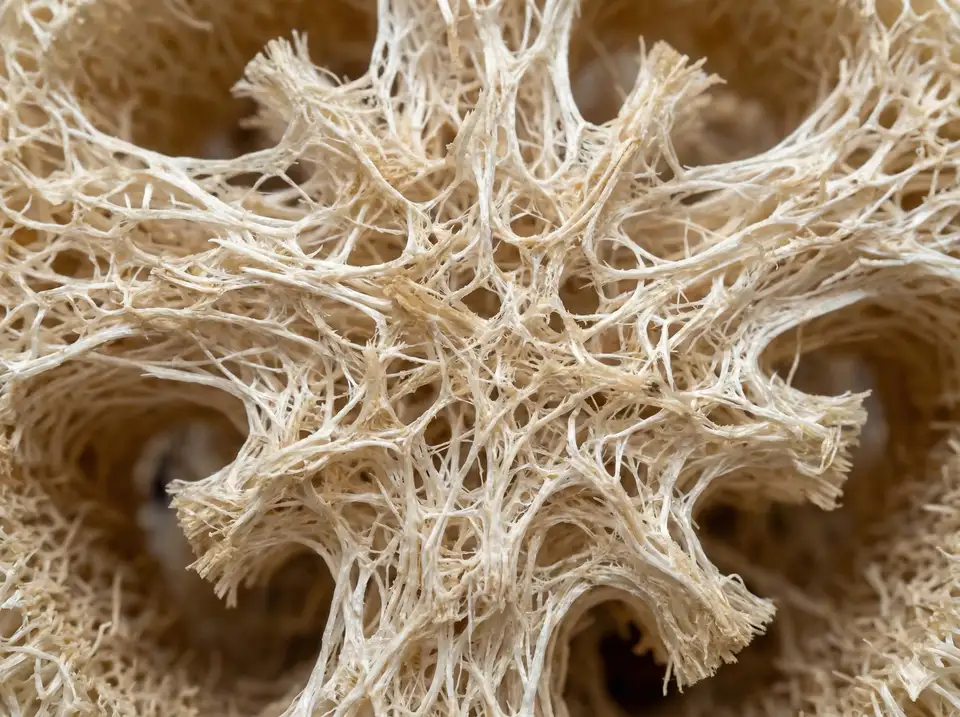
Loofahs (also spelled luffas) are the dried fibrous interior of the Luffa aegyptiaca gourd. Despite common misconception, they're plants—not sea creatures—that can be grown in your own garden. When considering exfoliation differences between natural sponges, loofahs provide the most invigorating scrub. The interlocking cellulose fibers create a naturally abrasive texture that excels at removing dead skin cells, improving circulation, and leaving skin feeling refreshed and renewed.
The loofah's unique structure makes it incredibly versatile. Each fiber network contains thousands of tiny channels that trap soap and create rich lather while delivering effective mechanical exfoliation. This plant-based origin means loofahs are inherently sustainable—you can grow them in your own backyard, eliminating shipping emissions and packaging waste entirely. A single loofah vine can produce 20-30 sponges per season, making it the most cost-effective natural exfoliator available.
For more loofah recommendations, see our dedicated natural sponge review guide.
- Most sustainable option (can grow your own)
- Affordable—$3-12 or free if homegrown
- Excellent for body exfoliation
- 100% biodegradable and compostable
- Good for normal to oily skin
- Too rough for sensitive skin
- Not ideal for facial use
- Requires proper drying to prevent bacteria
- Shorter lifespan (3-6 months)
Sea Sponge: The Luxury Option
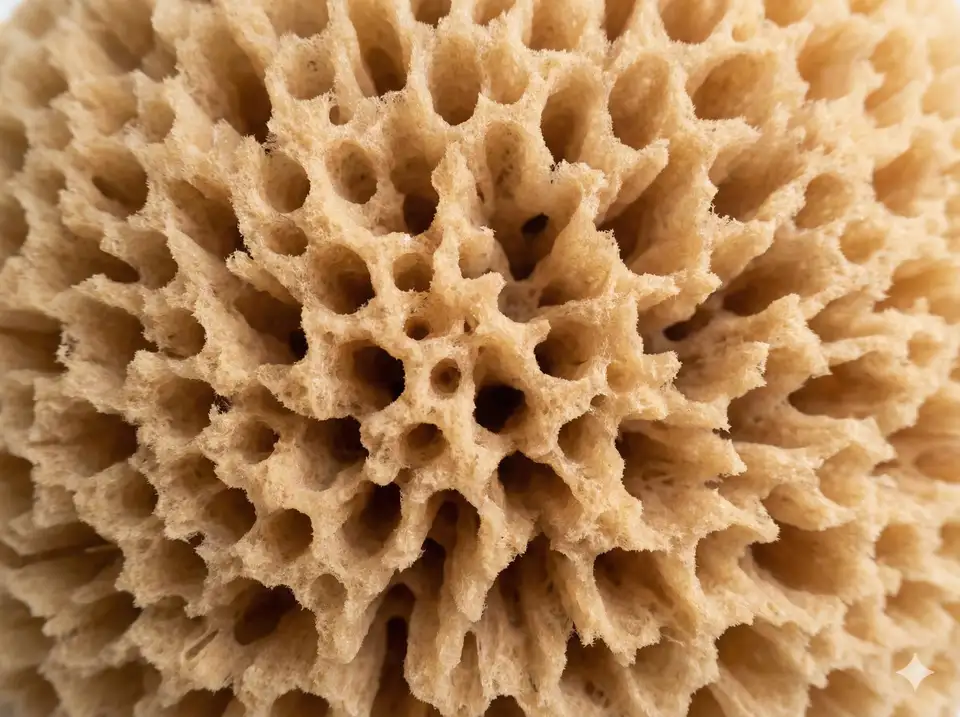
Sea sponges are marine animals harvested from ocean floors, primarily in the Mediterranean and Caribbean. They've been used for bathing for thousands of years, prized by ancient Greeks and Romans for their remarkable softness and durability. For those seeking options for sensitive skin, sea sponges offer unmatched gentleness—their naturally porous structure creates a cushioning effect that cleanses without irritation.
The honeycomb structure of sea sponges makes them extraordinarily efficient at holding water and creating lather. A quality sea sponge can absorb 20-30 times its dry weight in water, making it ideal for gentle cleansing rituals. Unlike synthetic sponges that break down into microplastics, sea sponges are naturally hypoallergenic and contain enzymes that resist bacterial growth. When properly harvested, the sponge base regenerates completely within 2-3 years, making sustainable sea sponging possible.
- Longest lifespan (1-2 years)
- Ideal for sensitive, delicate skin
- Naturally antimicrobial
- Luxuriously soft texture
- Excellent lather production
- Higher upfront cost ($10-40+)
- Sustainability concerns if not certified
- Less effective for deep exfoliation
- Requires gentle handling
Konjac Sponge: The Facial Specialist
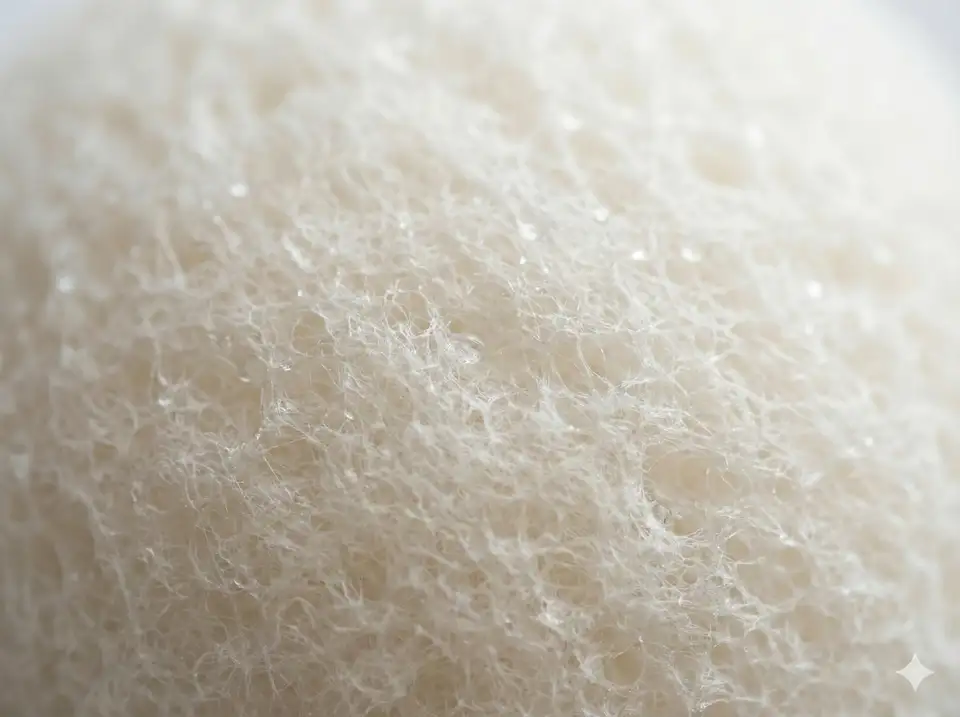
Konjac sponges are made from konjac root (Amorphophallus konjac), a plant native to Asia that has been used in food and skincare for centuries. The root is processed, dried, and shaped into ultra-gentle cleansing tools that transform from hard discs when dry to pillowy-soft when wet. They've become the gold standard for facial care, offering the gentlest possible exfoliation without risking irritation or micro-tears.
What makes konjac sponges unique is their water-activated texture change. The dried sponge absorbs water and becomes incredibly soft—softer than any other natural option. This makes them perfect for daily facial cleansing, especially for those with acne-prone, rosacea-affected, or healing skin. Available in specialty formulations with added charcoal (for oily skin), green tea (antioxidant benefits), pink clay (sensitive skin), and turmeric (brightening), konjac sponges offer targeted skincare benefits beyond simple cleansing.
- Gentlest option for daily facial cleansing
- Perfect for acne-prone, rosacea, or healing skin
- Available in specialty formulations (charcoal, clay, tea)
- Affordable entry point ($5-15)
- 100% biodegradable
- Shortest lifespan (4-12 weeks)
- Not effective for body exfoliation
- Must dry completely to prevent bacteria
- Frequent replacement adds up over time
Environmental Impact Comparison

For a deeper sustainability comparison, consider these factors when choosing your natural sponge:
1. Loofah (Best): Renewable plant, grows annually, can be homegrown eliminating shipping. 100% compostable with zero microplastics.
2. Konjac (Good): Plant-based and biodegradable, but farming requires water/land resources. Short lifespan means more frequent replacement.
3. Sea Sponge (Variable): Can be sustainable if properly harvested (they regenerate). However, overharvesting threatens some populations. Always buy certified sustainable.
As an Amazon Associate, we earn from qualifying purchases.
Which Should You Choose?
- You want affordable, effective body exfoliation
- Sustainability is a top priority
- You have normal to oily skin
- You want to grow your own for free sponges
- You need to tackle rough patches on feet, elbows, knees
- You have sensitive, delicate, or irritated skin
- Long-term value matters more than initial cost
- You want a spa-like bathing experience
- You need something gentle for babies or elderly skin
- You appreciate natural antimicrobial properties
- You need a dedicated facial cleansing tool
- You have acne-prone or compromised skin
- You want the gentlest possible exfoliation
- You prefer daily cleansing without scrubbing
- You like customizing with specialty formulations
You don't have to choose just one! Many skincare enthusiasts keep a konjac sponge for daily facial cleansing, a loofah for body exfoliation 2-3 times weekly, and a sea sponge for gentle all-over cleansing on non-exfoliating days.
Frequently Asked Questions
Loofahs are plant-based fibers from the Luffa gourd, offering moderate to firm exfoliation. Sea sponges are marine animals with a soft, absorbent texture. Konjac sponges are made from konjac root fibers and provide the gentlest exfoliation. Each differs in texture, durability, sustainability, and price point.
Konjac sponges are best for sensitive skin due to their ultra-soft texture and gentle exfoliation. Sea sponges are the second-best option as they're naturally soft and hypoallergenic. Loofahs are typically too abrasive for sensitive skin unless you choose very fine-textured varieties or pre-soak them thoroughly.
Sustainably harvested sea sponges can be eco-friendly as they regenerate from their base when properly harvested. However, overharvesting and unsustainable practices are concerns. Look for sponges certified as sustainably harvested. Loofahs are more sustainable as they're renewable plants you can grow at home.
Sea sponges last the longest (1-2 years with proper care), making them the best value despite higher upfront cost. Loofahs typically last 3-6 months. Konjac sponges have the shortest lifespan at 4-12 weeks, requiring frequent replacement.
Loofahs offer the best overall value, especially if you grow your own (essentially free). For purchased options: sea sponges have the best long-term value due to durability, loofahs provide moderate value, and konjac sponges are cheapest upfront but require frequent replacement, potentially costing more over time.