
Your bathroom needs regular scrubbing to stay clean and hygienic. Instead of reaching for plastic scrubbers or chemical-laden disposable wipes, natural loofah provides effective, eco-friendly cleaning power that's been used for generations. For household cleaning with loofah beyond the bathroom, check our surface guide.
What makes loofah particularly well-suited for bathroom cleaning is its unique fiber structure. The interconnected network of plant fibers creates thousands of tiny scrubbing surfaces that lift soap scum, hard water deposits, and grime without scratching delicate surfaces like porcelain and acrylic. Unlike synthetic sponges that trap bacteria in their foam cells, loofah's open structure allows it to dry quickly between uses, naturally inhibiting bacterial growth. Ready to replace plastic scrubbers entirely?
This guide covers everything you need to know about using loofah throughout your bathroom, including which surfaces work best, natural cleaning solutions that pair perfectly with loofah, and proper care techniques to keep your bathroom scrubber hygienic.
Bathroom Areas Perfect for Loofah
Not every cleaning tool works well on every bathroom surface, but loofah is remarkably versatile. Its natural fibers are abrasive enough to cut through buildup but gentle enough to avoid scratching most bathroom materials. The key is understanding which areas benefit most from loofah's unique properties and adjusting your pressure accordingly.
Loofah excels at removing soap scum, body oil buildup, and hard water deposits from porcelain, fiberglass, and acrylic surfaces. The natural texture lifts grime without scratching—unlike abrasive scrubbing pads that can dull finishes over time. For weekly maintenance, a wet loofah with dish soap is all you need. For deeper cleaning, pair with the baking soda tub scrub recipe below.

Bathroom sinks accumulate toothpaste splatters, makeup residue, and soap scum daily. Loofah handles all of these with ease on porcelain, ceramic, and most countertop materials including laminate, quartz, and sealed granite. It works for kitchen applications too. A quick daily wipe with a damp loofah prevents buildup from becoming a scrubbing project.
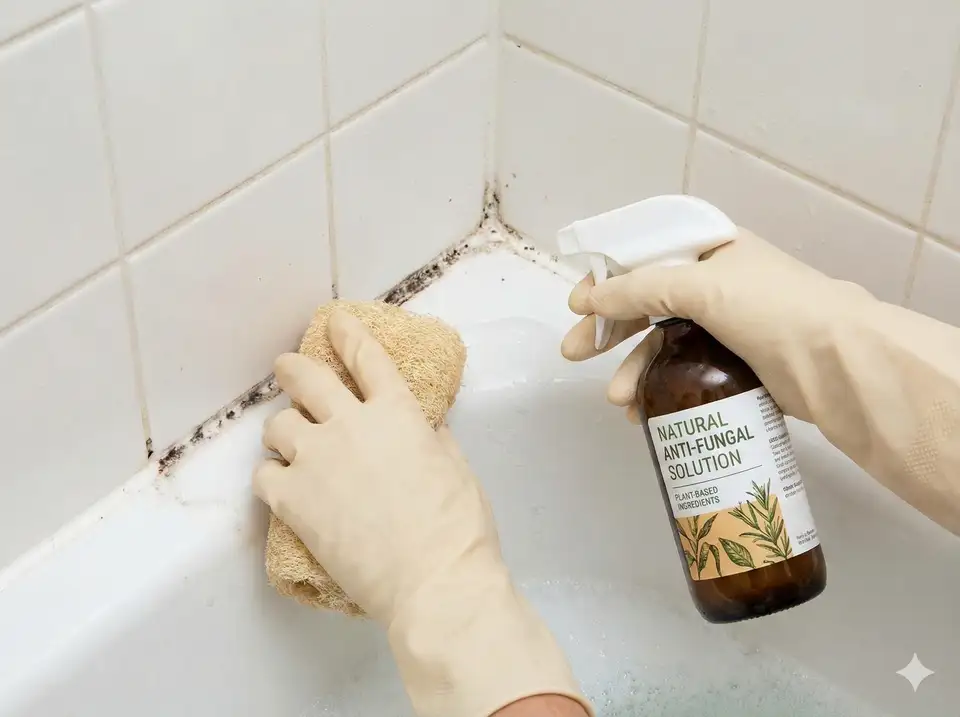
This is where loofah really shines. The textured fibers conform to tile surfaces while their edges naturally work into grout lines—something smooth cloths simply cannot do. For regular maintenance, scrub tiles during your normal cleaning routine. For grout that's already discolored, use the hydrogen peroxide whitening paste below and really work the loofah edge into each line.

Hard water spots and toothpaste splatters build up on faucets quickly. Loofah removes them effectively from chrome, brushed nickel, and most other finishes. Use lighter pressure on polished brass or delicate finishes—or test in an inconspicuous spot first. The vinegar spray works especially well here to dissolve mineral deposits before scrubbing.
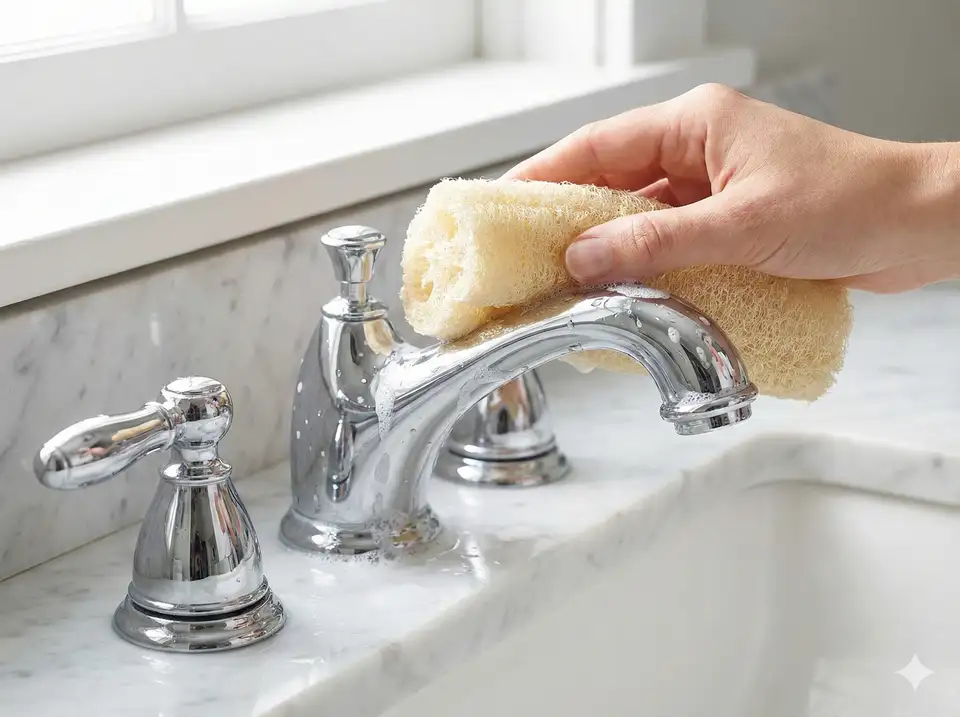
One important note: avoid using loofah on heated mirrors, touchscreen controls, or any digital displays. While loofah is gentle on most surfaces, electronics require specialized cleaners and microfiber cloths.
Natural Cleaning Recipes
Commercial bathroom cleaners often contain harsh chemicals that can irritate skin, damage surfaces over time, and pollute waterways. The good news is that simple, natural ingredients work just as effectively—especially when paired with the mechanical scrubbing power of loofah.
These DIY cleaning solutions use ingredients you probably already have at home. The combination of natural cleaners with loofah's texture creates a powerful one-two punch: the cleaner breaks down grime while the loofah physically lifts it away. This approach often works better than chemical cleaners alone because you're addressing both the chemical and mechanical aspects of cleaning.
All-Purpose Bathroom Cleaner
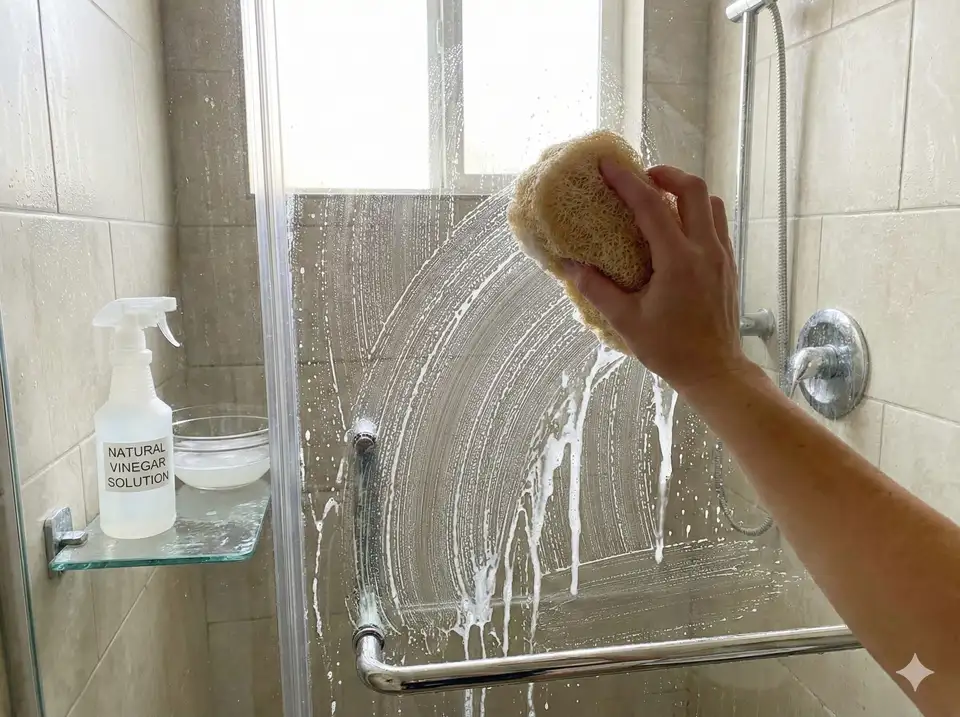
This vinegar-based spray handles everyday bathroom messes and light soap scum. The acetic acid in vinegar cuts through mineral deposits and kills most common bathroom bacteria, while tea tree oil adds extra antimicrobial power and leaves a fresh scent.
- 1 cup water
- 1 cup white vinegar
- 10 drops tea tree oil (antibacterial)
Spray on surfaces, scrub with wet loofah, rinse. Important: Never use vinegar on marble, travertine, or other natural stone—the acid etches and dulls these surfaces.
Heavy-Duty Tub Scrub
When soap scum has built up over weeks or you're tackling a neglected tub, this baking soda paste provides the extra cleaning power you need. Baking soda is a mild abrasive that won't scratch most surfaces, and combined with dish soap's grease-cutting ability, it tackles even stubborn rings and body oil buildup.
- 1/2 cup baking soda
- 2 tablespoons dish soap
- Water to form paste
Apply the paste directly to your loofah and scrub in circular motions. For tough stains, apply the paste to the surface, let it sit for 5 minutes to break down the grime, then scrub with your loofah. Rinse thoroughly to prevent any residue.
Grout Whitening Paste
Grout is porous and absorbs dirt, mold, and mildew over time, turning white grout gray or brown. This hydrogen peroxide paste not only cleans but actually whitens and brightens grout lines. The bubbling action of peroxide helps lift stains from deep within the grout's pores, while loofah's texture scrubs them away.
- 1/2 cup baking soda
- 1/4 cup hydrogen peroxide
Mix into a thick paste and apply directly to grout lines. Let it sit for 10 minutes—you'll see it bubble as it works. Scrub with your loofah using the edge to get into the grout channels, then rinse thoroughly. For severely stained grout, repeat the process.
Cleaning Technique
How you use your loofah matters as much as what you pair it with. The right technique maximizes cleaning effectiveness while protecting your surfaces and extending your loofah's life.
The most common mistake people make is using too much pressure. Loofah's texture does the work—pressing harder just compresses the fibers and reduces their effectiveness. Think of it like sandpaper: light, consistent pressure with the right grit works better than grinding down with the wrong approach.
- Wet loofah thoroughly - A dry loofah is more abrasive and can scratch delicate surfaces. Soaking it for 30 seconds softens the fibers and helps distribute cleaner evenly.
- Apply cleaner to loofah - Putting cleaner on your loofah rather than directly on surfaces prevents over-application and ensures even coverage.
- Work in sections - Divide large surfaces like tubs or shower walls into manageable sections. Clean one completely before moving to the next to avoid missing spots.
- Use circular motions - Circular scrubbing is more effective than back-and-forth because it attacks grime from multiple angles. It also prevents streak marks on glass and mirrors.
- Rinse frequently - Squeeze out your loofah and rinse it every few minutes. A loofah loaded with grime just moves dirt around instead of removing it.
- Dry surfaces after cleaning - Wipe down cleaned surfaces with a dry cloth to prevent water spots and slow mildew regrowth.
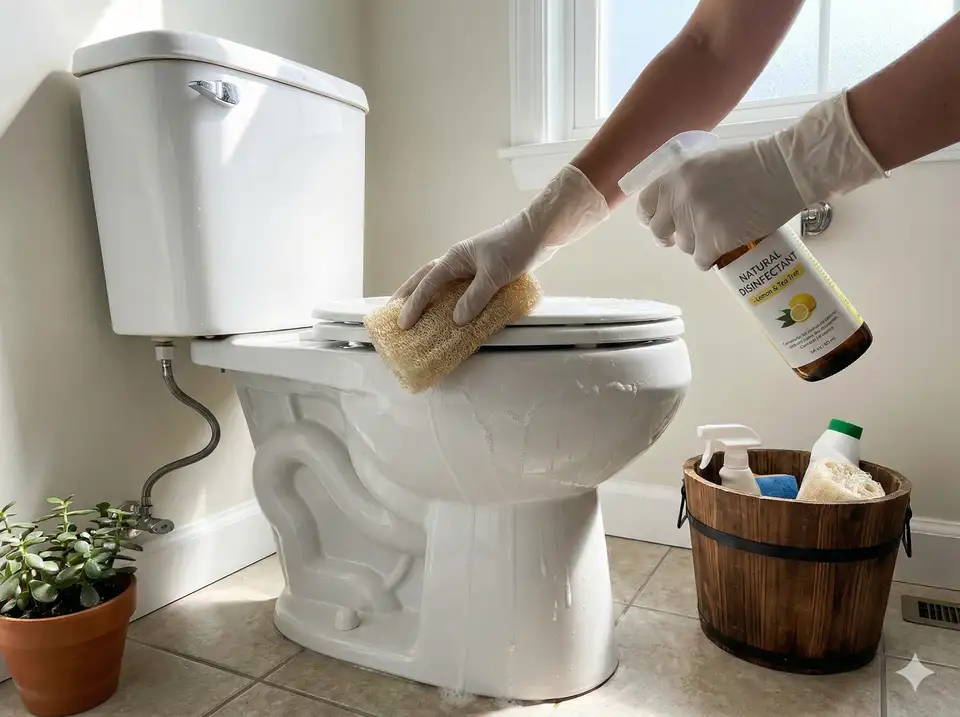
Keep your bathroom cleaning loofah completely separate from body and kitchen loofahs. Learn how to cut loofah to size for different uses. The chemicals and bacteria from bathroom cleaning should never cross-contaminate. Consider buying different colored loofahs or marking them with permanent marker. Store each in a different location—bathroom cleaning loofah under the sink or in a cleaning caddy, never in the shower where it could be mistaken for a body loofah.
Bathroom Loofah Care
A bathroom loofah works hard. It's exposed to cleaning chemicals, grime, and the warm, humid environment where bacteria thrive. Without proper care, your eco-friendly cleaning tool can become a source of contamination rather than cleanliness.
The good news is that loofah's natural structure makes it easier to maintain than synthetic sponges. Its open fiber network dries faster and doesn't trap bacteria the way foam does. But it still needs attention to perform its best and last as long as possible.
- Rinse thoroughly after each use - Cleaning product residue left in the fibers can break them down over time and create a breeding ground for bacteria. Squeeze and rinse until the water runs clear.
- Squeeze out all water - A saturated loofah left in a puddle will develop odors within days. Squeeze firmly and shake to remove as much moisture as possible.
- Store outside the wet zone - Hang your cleaning loofah away from the shower or tub area. A hook near a bathroom vent or in a cabinet with good airflow works well.
- Sanitize weekly - Soak for 5 minutes in a solution of 1 tablespoon bleach per quart of water, or use straight white vinegar. Rinse thoroughly afterward.
- Replace every 3-4 weeks - Bathroom loofahs see heavier use and chemical exposure than body loofahs. Find durable loofahs for scrubbing that last longer. Replace them more frequently—immediately if you notice any off odors or discoloration.
- Compost when retired - Unlike plastic sponges that sit in landfills for centuries, spent loofahs break down quickly. Discard responsibly in a compost pile.
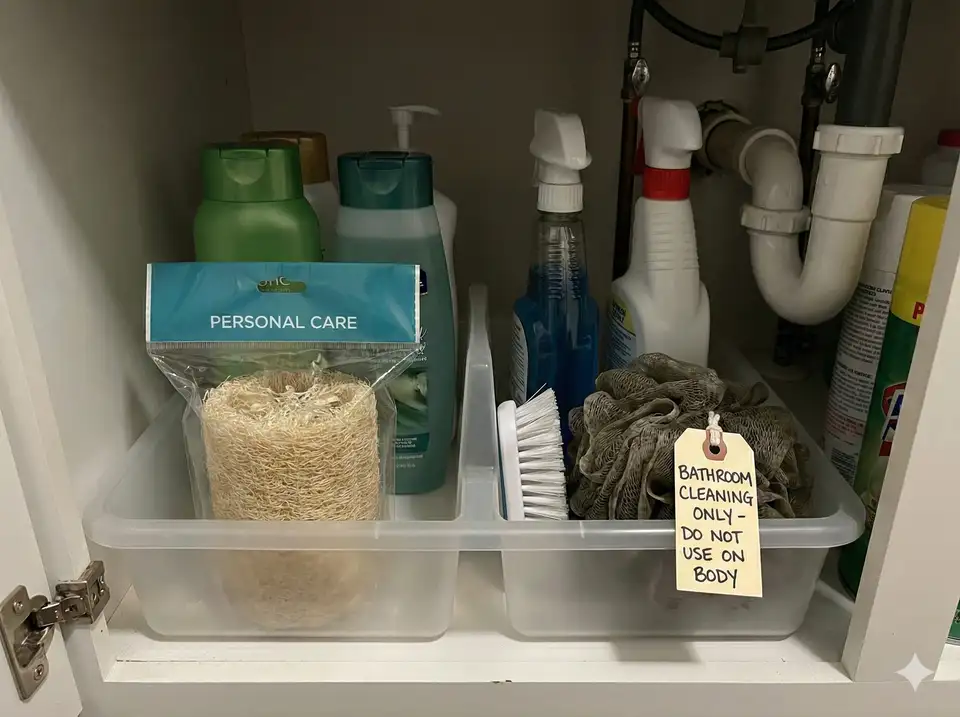
If you're cleaning up after someone who's been sick, consider using a fresh loofah and composting it immediately after. The few cents saved by reusing aren't worth the risk of spreading illness.
Related Guides
Recommended Products
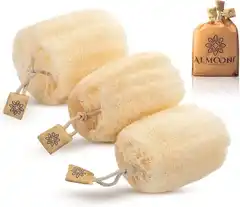
Almooni Egyptian Loofah Bath Sponges (3-Pack)
Premium thick-fiber natural loofahs - gentle exfoliation for all skin types - lasts 3-4 weeks each
Buy on Amazon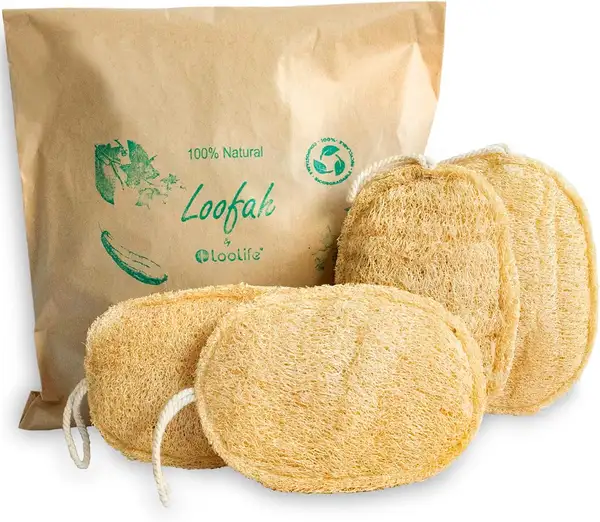
Natural Loofah Exfoliating Sponges (4-Pack)
100% organic biodegradable bath sponges - plastic-free alternative that's gentle on skin and planet
Buy on AmazonAs an Amazon Associate, we earn from qualifying purchases.