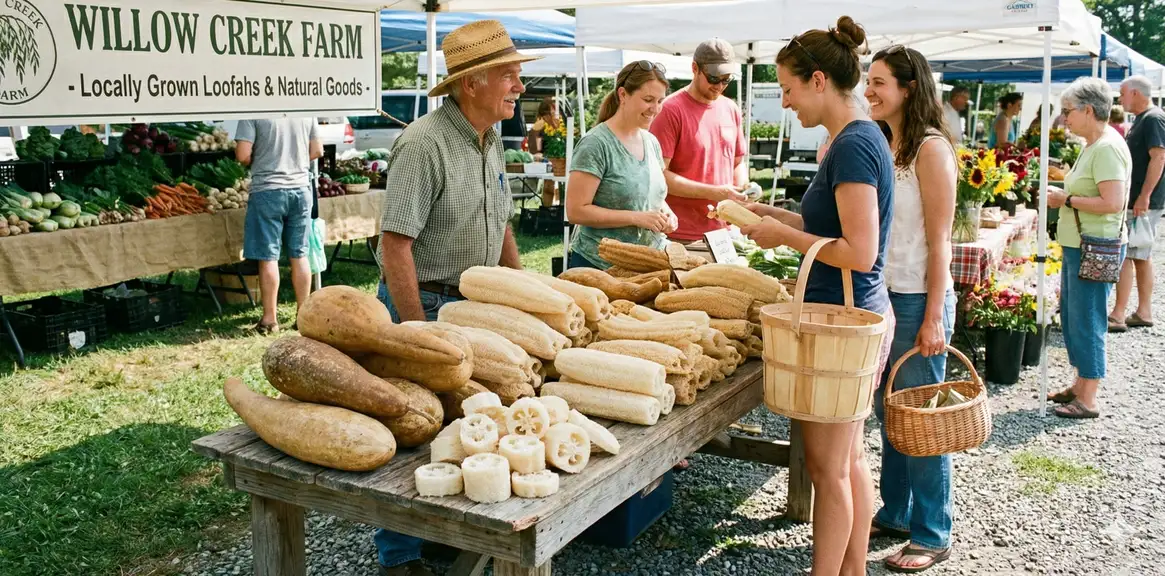
The loofah in your bathroom likely traveled thousands of miles to get there. Most loofahs sold in Western countries are imported from Asia and Africa, but a growing number of local farmers and backyard growers are producing high-quality alternatives. Understanding where your loofah comes from can help you make more sustainable choices and is essential for making informed sourcing decisions.
This comprehensive guide compares locally grown and imported loofahs across the factors that matter most: quality, freshness, price, and overall environmental comparison. Whether you're looking to reduce your carbon footprint or simply find the best quality product, this comparison will help you make an informed decision.
Quality Options to Consider
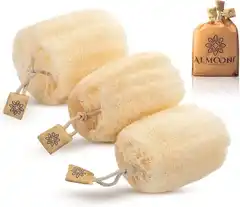
Almooni Egyptian Loofah Bath Sponges (3-Pack)
Premium thick-fiber natural loofahs - gentle exfoliation for all skin types - lasts 3-4 weeks each
Buy on Amazon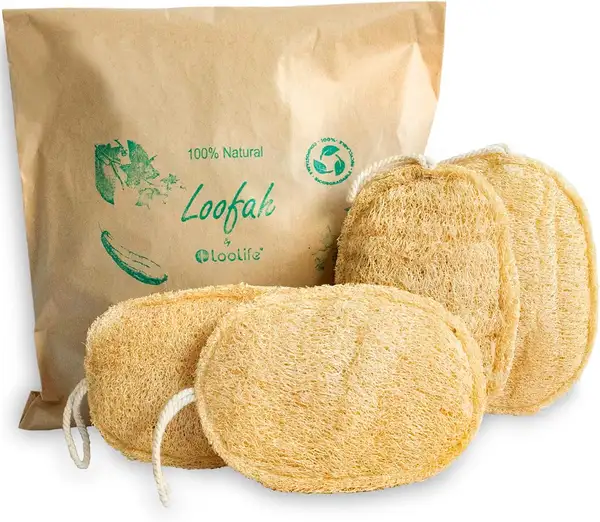
Natural Loofah Exfoliating Sponges (4-Pack)
100% organic biodegradable bath sponges - plastic-free alternative that's gentle on skin and planet
Buy on AmazonAs an Amazon Associate, we earn from qualifying purchases.
Understanding Loofah Sources
Loofahs grow in tropical and subtropical climates, requiring at least 150 frost-free days to mature. This limits commercial production to specific regions around the world. China dominates global loofah production, followed by Egypt, Vietnam, and Central American countries. In the United States, Florida, Texas, California, and Arizona have climates suitable for commercial loofah farming, though production remains small compared to imports.
Local loofahs come from small farms, homesteads, and dedicated backyard growers in your region. These producers often sell at farmers markets, through CSA programs, or via online platforms like Etsy. The quality and processing methods vary by grower, but most local producers use minimal or no chemical processing.
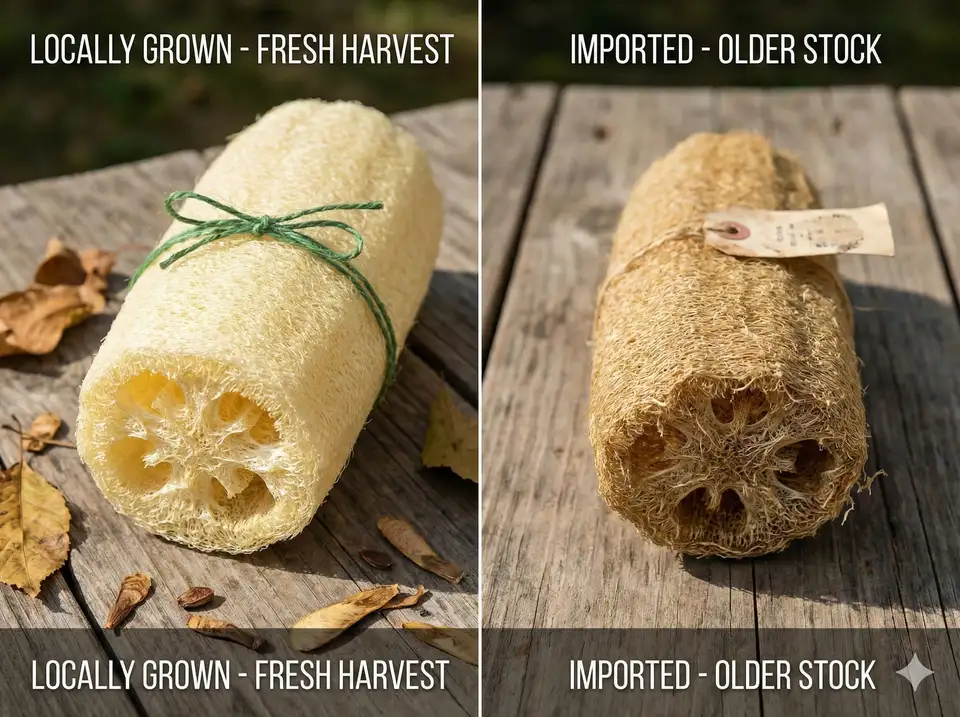
Side-by-Side Comparison
The following table compares local and imported loofahs across the factors that matter most to eco-conscious consumers.
| Factor | Local/Domestic | Imported |
|---|---|---|
| Freshness | Often current season | Months to years old |
| Price | $5-12 per loofah | $2-5 per loofah |
| Carbon Footprint | Minimal | Significant |
| Chemical Processing | Usually none | Often bleached |
| Availability | Limited, seasonal | Year-round |
| Quality Consistency | Varies by grower | Standardized |
| Supporting Economy | Local farmers | Global supply chain |
| Fiber Integrity | Usually excellent | Varies widely |
Local/Domestic Loofahs
Locally grown loofahs come from small farms, homesteads, and backyard growers in your region. In warmer US states (Florida, Texas, California, Arizona), loofahs can be commercially grown. Elsewhere, they're primarily produced by dedicated hobbyists and small-scale farmers who have created microclimates or extended their growing seasons. Even in northern regions, growing loofahs is possible with the right techniques.

- Freshest possible product — often from the current growing season
- Know your source — ask questions, visit farms
- Usually organic/unprocessed — no bleaching or chemical treatments
- Minimal transportation — dramatically lower carbon footprint
- Supports local economy — money stays in your community
- Higher quality fibers — often denser and longer-lasting
- Higher price point — $5-12 vs $2-5 for imported
- Limited availability — may need to search for sources
- Seasonal supply — mainly available fall through winter
- Inconsistent sizing — natural variation between loofahs
- May require pre-ordering — popular growers sell out quickly
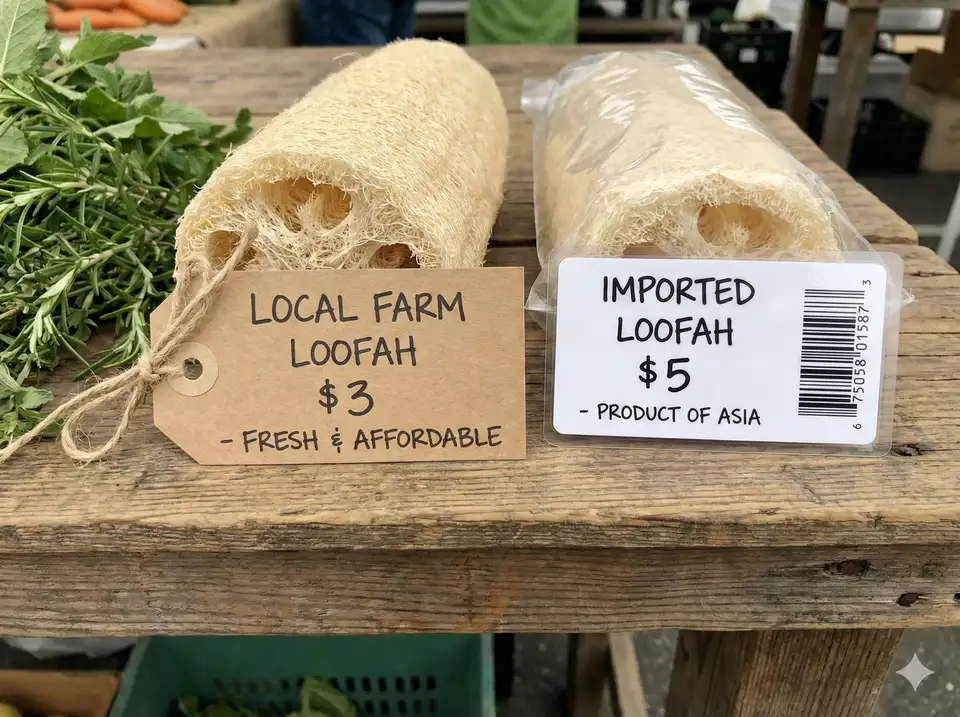
Imported Loofahs
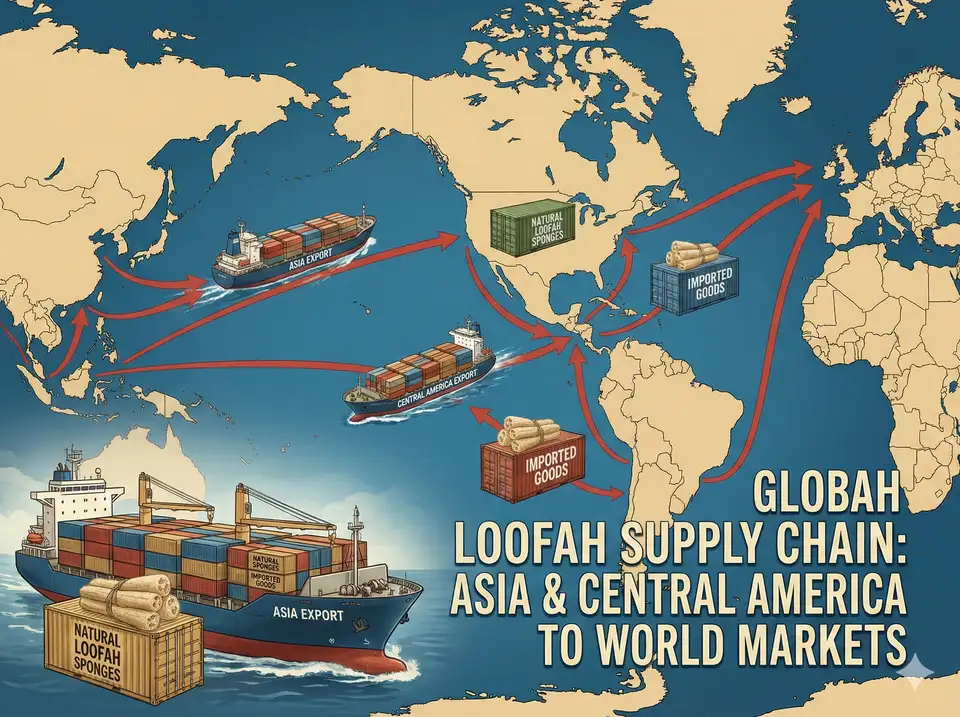
Most loofahs in stores come from China, Egypt, Vietnam, and Central America. These countries have ideal growing conditions and established agricultural systems for loofah production. Loofahs are harvested, processed (sometimes bleached for uniform appearance), and shipped in bulk worldwide. The supply chain is optimized for volume and price rather than freshness or minimal processing.
- Affordable pricing — $2-5 per loofah in bulk
- Easy to find — available at most stores and online
- Year-round availability — consistent supply
- Consistent sizing — sorted and graded
- Bulk options — buy in quantity for savings
- Unknown age/freshness — may be months or years old
- Often bleached/treated — chemical processing for appearance
- Large carbon footprint — thousands of miles of shipping
- Labor practice concerns — less transparency in supply chain
- Quality varies greatly — harder to verify before purchase
Carbon Footprint Analysis
Transportation impact is one of the most significant differences between local and imported loofahs. While container ships are relatively efficient per item when fully loaded, the sheer distance imported loofahs travel adds up to a substantial carbon footprint.

| Source | Distance | Impact |
|---|---|---|
| From China to US | 8,000+ miles | High |
| From Egypt to US | 6,000+ miles | Moderate-High |
| Local/Regional | ~50 miles average | Minimal |
| Homegrown | 0 miles | Zero |
Local loofahs dramatically reduce transportation emissions, and growing your own local supply eliminates them entirely. Beyond transportation, consider the entire supply chain: imported loofahs require warehousing, multiple handling stages, and often plastic packaging that adds to their environmental footprint.

How to Find Local Loofahs
Finding local loofah sources takes some effort, but the quality and sustainability benefits are worth it. Here are the best places to look.
- Farmers Markets: Many small farmers grow loofahs as a secondary crop. Ask around — even if you don't see them displayed, someone may have them or know a grower.
- Community Supported Agriculture (CSA): Some CSA programs include loofahs in fall shares. Ask your local CSA if they grow them or know someone who does.
- Local Co-ops & Natural Food Stores: These often source from local producers. Ask if they can special order local loofahs.
- Etsy & Local Online Marketplaces: Search for "local loofah" plus your state. Many small growers sell online.
- Gardening Groups & Forums: Local Facebook gardening groups often have members who grow extra loofahs and sell or trade them.
- Grow Your Own: The ultimate local source. If you have 150+ frost-free days, you can grow loofahs in your own backyard. Find seeds to grow locally from reputable suppliers.
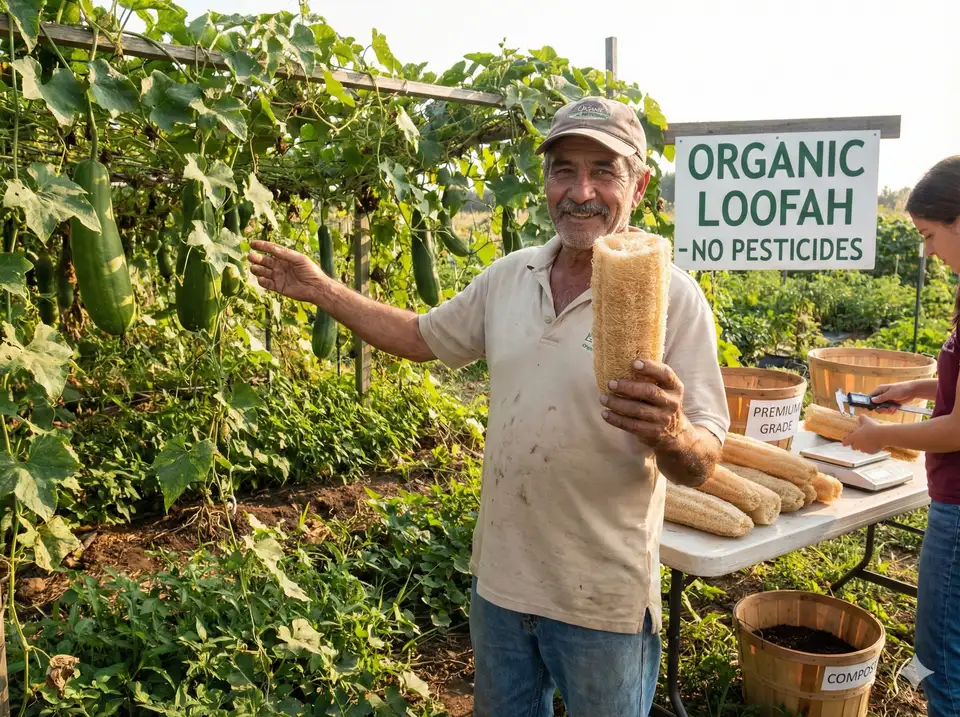
Assessing Quality
Whether buying local or imported, knowing what to look for helps you choose the best loofah. Quality indicators are the same regardless of source, though local loofahs often score higher on freshness and fiber integrity.
Signs of Quality
- Color: Natural tan/brown indicates unbleached; stark white means bleached
- Texture: Dense, tightly woven fibers feel substantial
- Flexibility: Should be somewhat pliable when dampened, not brittle
- Smell: Should smell neutral or slightly earthy, not chemical
- Seeds removed: No seeds or membrane fragments inside
Red Flags
- Strong chemical smell (over-processed)
- Brittle or crumbling fibers (old or damaged)
- Very thin walls (harvested too early)
- Dark spots or mold (improper storage)
- Best option: Grow your own. If your climate allows (150+ frost-free days), growing loofahs gives you the freshest possible product with zero carbon footprint and essentially free loofahs for years.
- Second best: Buy local when possible. The higher price supports local farmers and ensures freshness. Farmers markets and Etsy are good sources.
- For imported: If buying imported, look for unbleached options and buy from reputable sellers who can verify their sourcing. Organic certifications provide some assurance of quality.
- Build a complete routine: Combine local loofahs with other sustainable products for the lowest-impact choices in your daily routine.