
Your bathroom is likely one of the most plastic-heavy rooms in your home. From disposable razors to plastic bottles to synthetic poufs, the typical bathroom generates pounds of non-recyclable waste each year. Most of this plastic ends up in landfills where it will persist for centuries, or worse, in our oceans where it harms marine life.
The good news? Natural loofah is the perfect starting point for transforming your bathroom into a zero-waste sanctuary. This comprehensive guide shows you exactly how to build an eco-friendly bath routine, product by product, without sacrificing quality or convenience.
Whether you're new to sustainable living or looking to take your eco-friendly habits to the next level, this guide will help you create a bathroom routine that's better for the planet and often better for your skin too.
Start Your Zero-Waste Journey
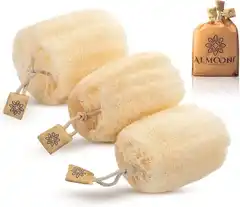
Almooni Egyptian Loofah Bath Sponges (3-Pack)
Premium thick-fiber natural loofahs - gentle exfoliation for all skin types - lasts 3-4 weeks each
Buy on Amazon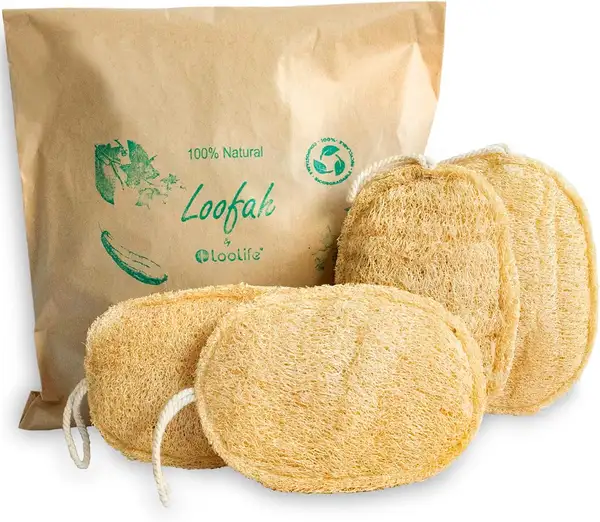
Natural Loofah Exfoliating Sponges (4-Pack)
100% organic biodegradable bath sponges - plastic-free alternative that's gentle on skin and planet
Buy on AmazonAs an Amazon Associate, we earn from qualifying purchases.
Why Zero-Waste Matters in the Bathroom
The statistics around bathroom waste are staggering. In the United States alone, 552 million shampoo bottles are sold each year - most of which end up in landfills. Add to that 2 billion disposable razors and countless plastic poufs, toothbrushes, and packaging, and you begin to understand the scope of the problem.
| Statistic | Annual Impact | Why It Matters |
|---|---|---|
| Shampoo Bottles (US) | 552 million | Most not recycled due to residue |
| Disposable Razors | 2 billion | Cannot be recycled at all |
| Plastic Poufs Per Person | 4-6 | Not recyclable, not biodegradable |
| Plastic Decomposition | 500+ years | Breaks into microplastics, never truly gone |
Most bathroom products are designed for convenience and disposal - a model that creates mountains of waste. By switching to reusable and compostable alternatives like natural loofah, you can dramatically reduce your environmental footprint without sacrificing quality or hygiene.

Essential Zero-Waste Swaps
Start your zero-waste journey with these simple swaps. Each one replaces a plastic product with a sustainable alternative that performs just as well - and often better.
| Replace This | With This | Annual Savings |
|---|---|---|
| Plastic Mesh Pouf | Natural Loofah | 4-6 plastic items |
| Bottled Shampoo | Shampoo Bar | 6-8 bottles |
| Plastic Toothbrush | Bamboo Toothbrush | 4 plastic handles |
| Disposable Razor | Safety Razor | 12-24 razors |
| Bottled Body Wash | Bar Soap | 4-6 bottles |
| Plastic Cotton Pads | Reusable Cotton Rounds | 500+ disposable pads |
The key is to transition gradually. Replace products as they run out rather than throwing everything away at once - that would create waste too! Focus on the items you use most frequently first, as these will have the biggest impact on your overall waste reduction.
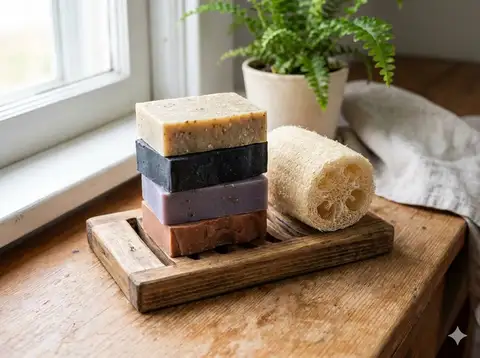
Loofah: The Foundation of Zero-Waste Bathing
Natural loofah is arguably the most versatile zero-waste bathroom swap. Unlike plastic poufs that harbor bacteria and can't be recycled, natural loofah is antimicrobial, biodegradable, and can even be composted when worn out. Here's how to incorporate it into your routine.
Replace plastic poufs and synthetic scrubbers with natural loofah sponges. Natural loofah provides superior exfoliation compared to synthetic alternatives because its fibrous structure removes dead skin cells more effectively. Each loofah lasts 3-4 weeks with proper care, and when it wears out, simply toss it in the compost bin.
Small, soft loofah pieces work wonderfully for gentle facial exfoliation. Cut a thin slice from the end of a loofah and use it 1-2 times weekly. This works well for dry skin and sensitive skin types when used gently. The natural fibers are gentler than many synthetic facial scrubbers.
Dense loofah sections are perfect for removing calluses and smoothing rough heels. The denser center part of the loofah provides more abrasion than the outer sections, making it a natural alternative to plastic foot files. Use in the shower with bar soap for best results.
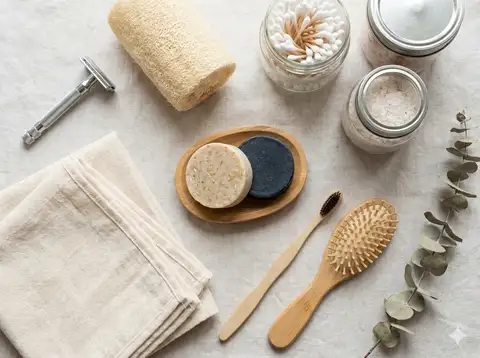
Building Your Complete Zero-Waste Routine
Here's how to put it all together into a daily routine that eliminates bathroom plastic without adding complexity to your morning. Once you get used to these swaps, they'll feel just as natural as your old routine - but with far less environmental impact.
Morning Shower Routine
This step-by-step routine uses sustainable products throughout:
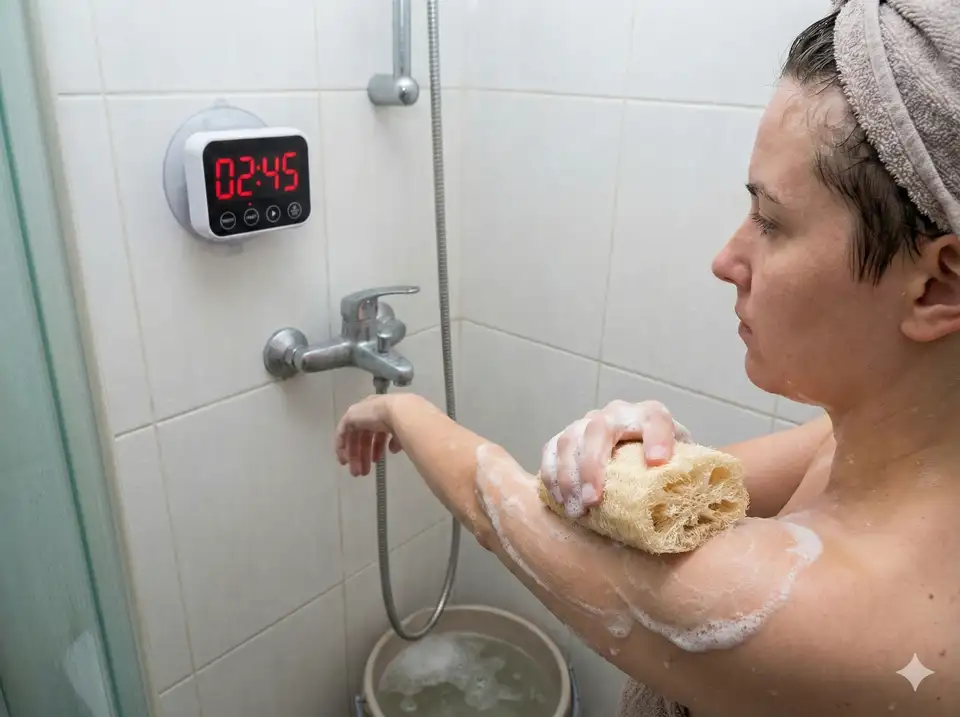
- Wet your loofah: Soak for 2-3 minutes to soften the fibers
- Apply bar soap: Create lather directly on the loofah
- Exfoliate body: Use gentle circular motions, starting from feet and working up
- Shampoo with bar: Lather directly in hands or on wet hair
- Condition: Use conditioner bar or apple cider vinegar rinse
- Shave with safety razor: Use bar soap or shave bar for lather
- Rinse loofah: Squeeze out thoroughly and hang to dry outside shower
Evening Skincare
Your evening routine can be zero-waste too:
- Cleanse: Bar cleanser or oil cleansing method with reusable cloth
- Exfoliate: Soft loofah piece 2-3 times weekly
- Tone: Witch hazel in glass bottle or homemade toner
- Moisturize: Oils in glass bottles or solid moisturizer bars
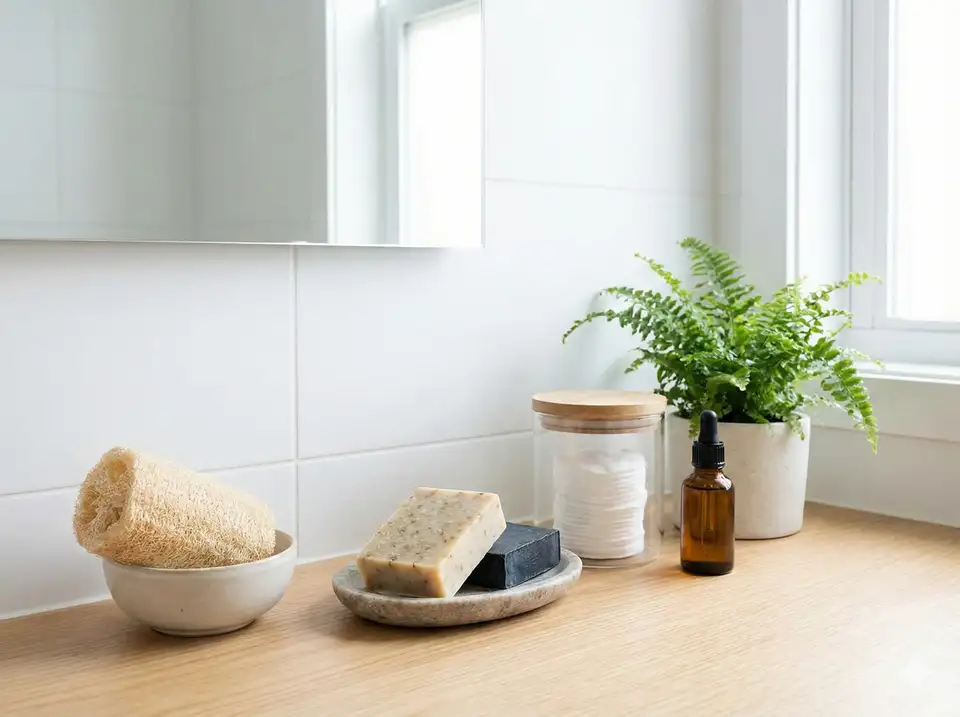
- Natural loofah for body exfoliation
- Bar soap (package-free)
- Shampoo bar
- Conditioner bar
- Bamboo toothbrush
- Toothpaste tablets or powder
- Safety razor with metal blades
- Deodorant bar or paste in glass jar
- Reusable cotton rounds
- Bamboo hair brush
Ultimate Zero-Waste: Grow Your Own Loofah
For the most sustainable option possible, grow your own loofah. A single loofah plant produces 10-15 loofahs - enough for your entire family for a year. There's something deeply satisfying about using a bath product you grew yourself, and it eliminates even the minimal packaging and transportation footprint of purchased loofahs.
Growing your own loofahs is surprisingly easy if you have a sunny spot and 150+ frost-free days. The vines are vigorous growers that can cover a fence or trellis with beautiful yellow flowers before producing the gourds that become your natural sponges.
- Completely free after the initial seed cost ($3-5 for enough seeds to last years)
- Carbon negative - plants actively absorb CO2 as they grow
- Fully traceable - you know exactly how it was grown, no pesticides or chemicals
- Educational - great project for kids to learn about sustainable living
- Gift-worthy - homegrown loofahs make thoughtful eco-friendly gifts

Tips for Success
Transitioning to a zero-waste bathroom doesn't have to be overwhelming. Here's how to make it work for your lifestyle:
- Transition gradually: Replace products as they run out instead of all at once. This spreads the cost and lets you find products that work for you.
- Focus on biggest impacts first: Start with items you use daily like body wash and shampoo. These frequent-use items create the most waste over time.
- Don't aim for perfection: Any reduction in plastic helps. If you can eliminate 80% of your bathroom plastic, that's a huge win.
- Find what works for you: Not every swap suits everyone. If a shampoo bar doesn't work for your hair type, that's okay - there are other options.
- Shop local: Farmers markets often have package-free soaps and bath products, reducing shipping emissions too.
